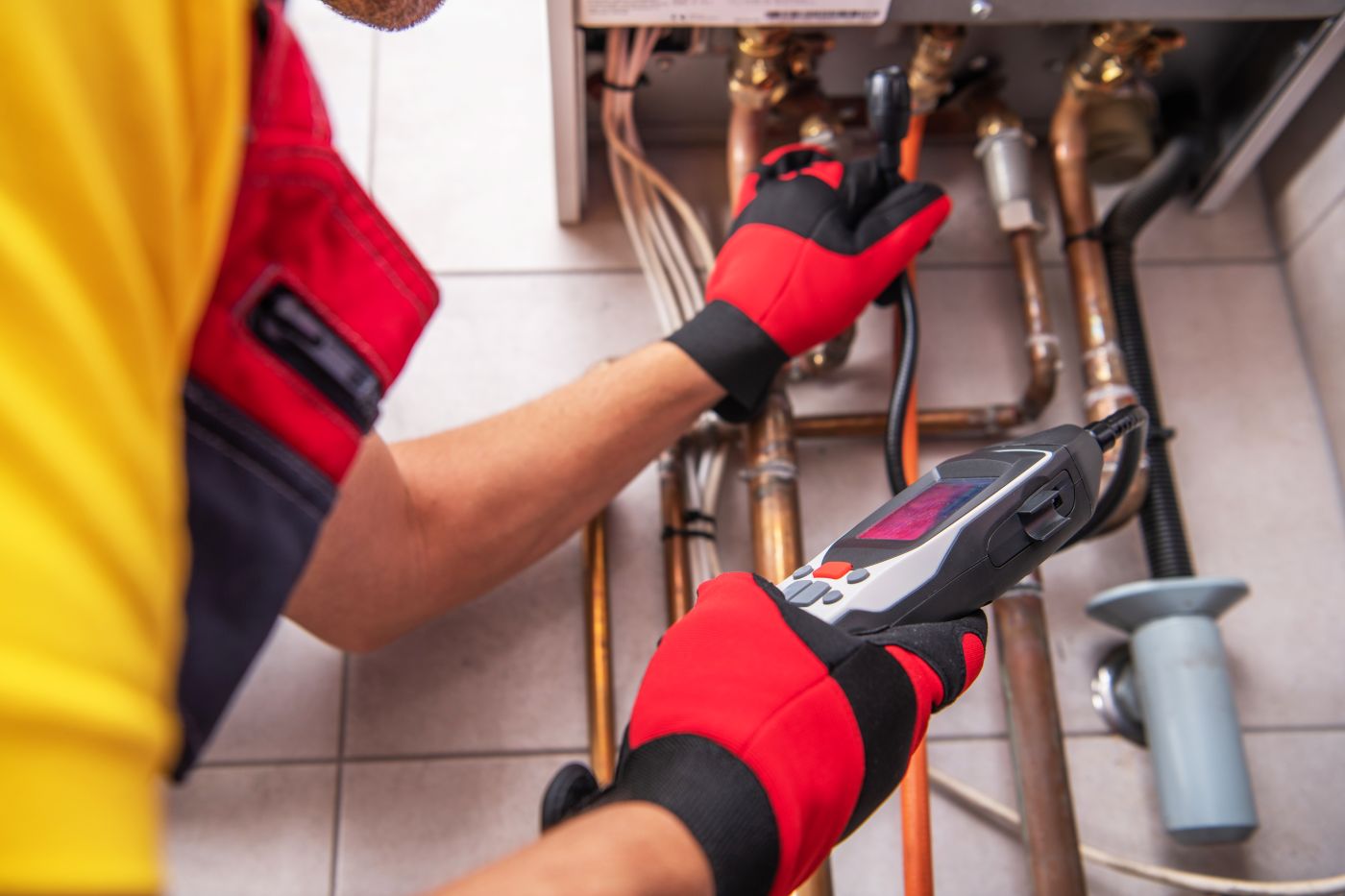
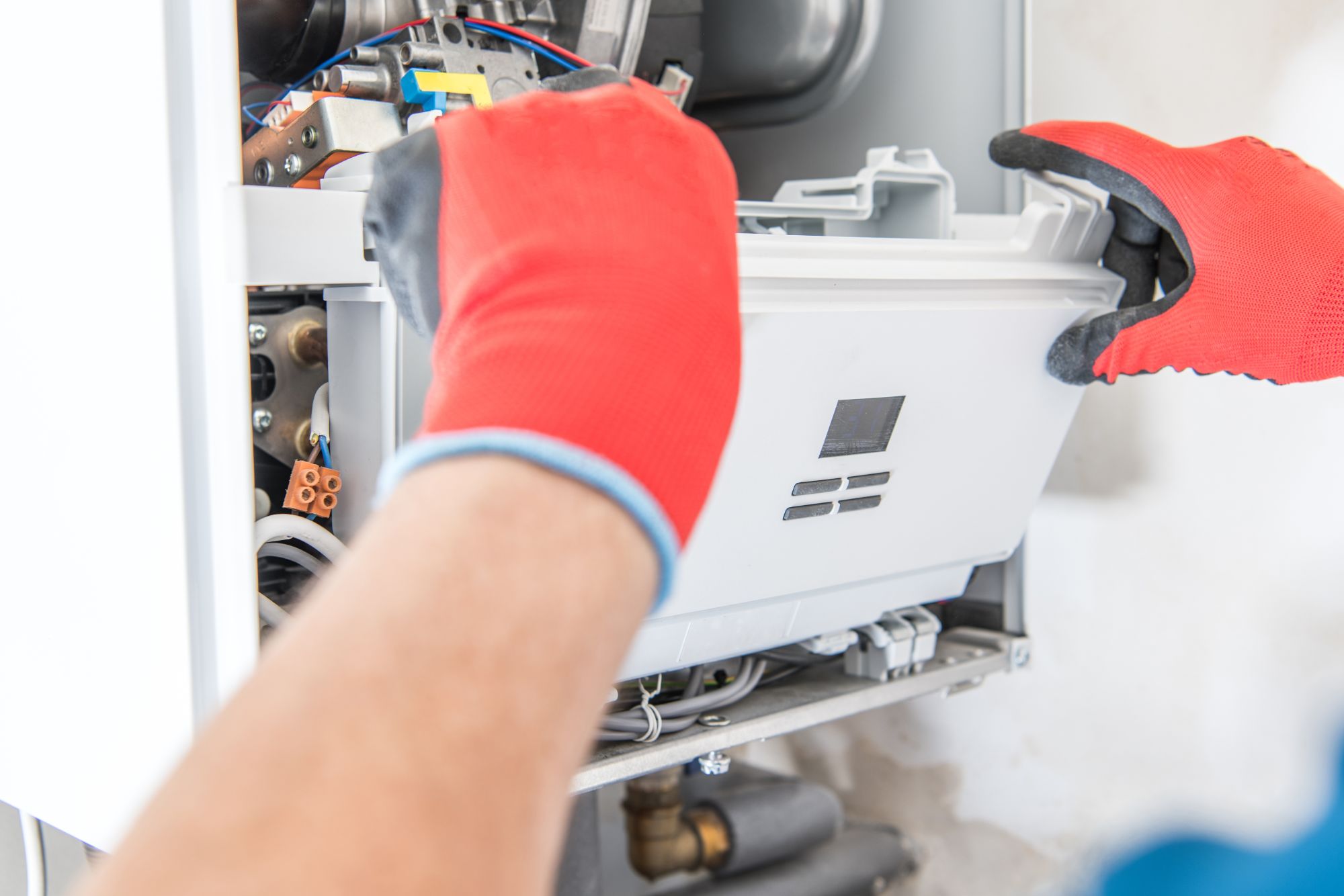
An HVAC emergency is a heating or cooling problem that creates an immediate safety risk, threatens the property, or leaves the home without safe indoor conditions. Complete heating loss during severe winter weather, repeated electrical shutdowns, burning odours, smoke, and carbon monoxide alarms require immediate action. All Around Heating & Cooling provides 24/7 emergency HVAC service for urgent situations in Westlock.
Situations That Require Immediate HVAC Service
Immediate service is appropriate when waiting could expose occupants to unsafe temperatures, fire hazards, harmful combustion gases, or preventable property damage. The severity of the symptoms and current outdoor conditions matter more than the time of day.
Complete cooling loss is not usually an emergency in Alberta when indoor temperatures remain safe. However, it becomes more urgent during extreme heat when infants, older adults, people with medical conditions, or other heat-sensitive occupants cannot move to a cooler location.
Complete Heating Loss in Winter Conditions
Complete heating loss requires emergency service when freezing weather causes the indoor temperature to fall and no safe backup heat is available. The urgency increases in homes with infants, older adults, people with health conditions, or plumbing in exterior walls, crawl spaces, and other poorly heated areas.
No heat is not automatically an emergency during mild weather. If the home remains warm and temperatures are not expected to fall significantly, standard service could be appropriate. The decision should account for the overnight forecast, current indoor temperature, building insulation, available heat sources, and the expected wait for regular service.
Electrical Issues, Burning Smells, or System Shutdowns
Smoke, sparking, scorched wiring, repeated breaker trips, or a sharp electrical smell indicate a possible overheating or wiring problem. Shut the HVAC system off if it is safe to do so and avoid restarting it. If there is an active fire or heavy smoke, leave the building and call 911 before contacting an HVAC technician.
A light dusty smell sometimes occurs when a furnace first starts after months without use. It is generally not an emergency if there is no smoke and the smell begins fading during the initial operating cycle. An odour that persists, intensifies, or returns each time the system runs requires prompt assessment.
One shutdown after a power interruption does not necessarily indicate an HVAC emergency. Repeated shutdowns, failed restart attempts, recurring breaker trips, or a safety-control lockout indicate an unresolved problem. Emergency service becomes appropriate when the shutdown also causes unsafe indoor temperatures or another immediate risk.
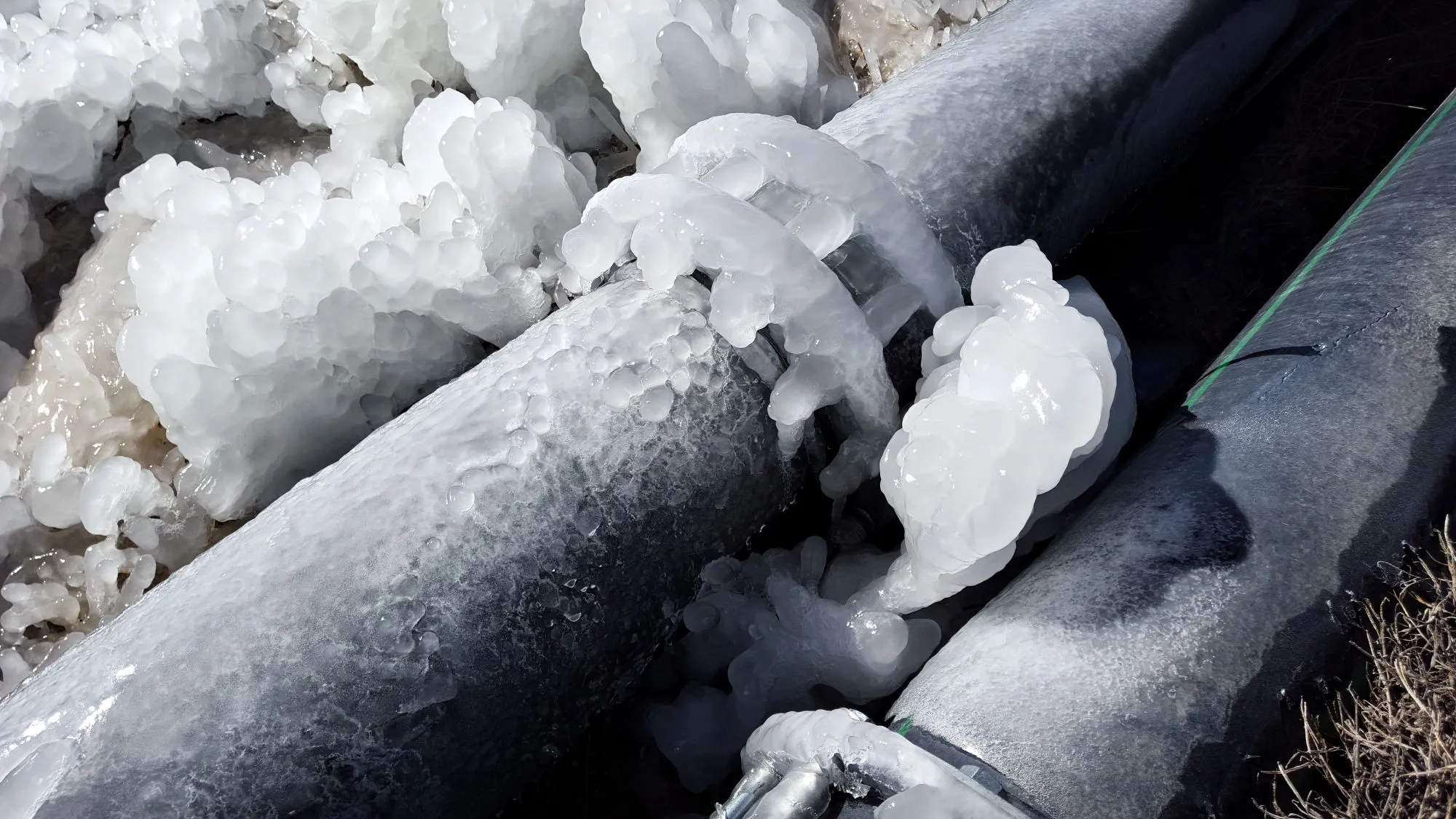
Frozen Systems or Risk of Pipe Damage
Ice inside an HVAC system does not carry the same urgency in every situation. A frozen air-conditioning coil that remains contained, with no active leakage or electrical exposure, often permits standard service after the equipment is turned off. Water spreading toward flooring, ceilings, walls, or electrical components requires faster attention.
A frozen condensate drain or blocked furnace vent can trigger a safety shutdown in some high-efficiency heating systems. The situation becomes an emergency when it causes complete heating loss during freezing weather or allows water to escape. Do not chip ice from components, apply direct heat, or repeatedly restart equipment that continues shutting down.
Outdoor heat pumps normally develop some frost and use a defrost cycle to remove it. Ice that remains after defrost, restricts the fan, reduces heating output, or causes repeated shutdowns indicates a system problem rather than normal operation.
Situations That Feel Urgent but Can Wait
An HVAC problem usually permits standard scheduling when the system remains operational, indoor conditions are safe, and there are no electrical, gas, combustion, or water hazards. The appointment should still be booked promptly if performance continues to decline.
Reduced Performance Without Full Failure
Long heating cycles, weak airflow, or difficulty reaching the thermostat setting generally qualify for standard service when the home maintains a safe temperature. The same applies to an air conditioner that cools slowly without leaking, freezing, or shutting down.
Rapidly declining output and frequent short cycling require timely assessment because they sometimes precede a full system failure. However, these symptoms alone do not always justify after-hours service. Emergency service becomes appropriate when they lead to heating loss, electrical problems, active leakage, or repeated safety shutdowns.
Minor Noises or Inconsistent Temperatures
An occasional click, brief expansion noise, or small temperature difference between rooms is generally not an emergency. These concerns are better addressed during a standard service appointment when the equipment continues operating normally.
Grinding, repeated banging, metal-on-metal sounds, or a noise accompanied by smoke, a burning odour, water leakage, or system shutdown changes the decision. Those added symptoms indicate that continued operation could damage the equipment or create a safety concern.
Risks of Waiting Too Long to Fix HVAC Issues
Delaying service gives some mechanical, electrical, and moisture problems time to spread beyond the original failure. The consequences depend on which system is affected, how long abnormal operation continues, and the conditions inside the building.
Property Damage Risks
A home that continues losing heat during freezing weather eventually leaves plumbing in exterior walls, crawl spaces, and other exposed areas vulnerable to freezing. A split pipe does not always leak immediately. Water damage often begins when the pipe thaws and normal water flow returns.
Condensate leaks and melting coil ice could damage flooring, drywall, ceilings, insulation, or nearby electrical components. Meanwhile, operating equipment with a failing motor, restricted airflow, or recurring electrical fault places additional strain on connected components. This could turn an isolated repair into a broader system failure.
Health and Safety Concerns in Alberta Winters
Extended exposure to a cold home presents a greater concern for infants, older adults, and people with respiratory, cardiovascular, or mobility conditions. Improvised heating also introduces risk. Barbecues, outdoor heaters, and fuel-powered generators should never operate inside a home, garage, shed, or other enclosed area.
Carbon monoxide has no smell, taste, or colour. Headaches, dizziness, nausea, shortness of breath, or unusual fatigue affecting one or more occupants could indicate exposure. Move everyone into fresh air and contact emergency services, even if a carbon monoxide alarm has not sounded. If a carbon monoxide alarm activates, leave immediately and call 911 from outside.
A natural gas odour requires evacuation rather than HVAC troubleshooting. Do not operate switches, appliances, vehicles, or phones while inside the affected area. Once safely outside, contact ATCO’s natural gas emergency service or 911. HVAC inspection should occur only after emergency authorities or the gas utility have addressed the immediate hazard.
What to Do Before Calling Emergency HVAC Service
Only perform basic checks when there is no smoke, sparking, gas odour, carbon monoxide concern, or other immediate hazard. Do not remove access panels, handle wiring, or attempt to repair internal components.
- Confirm that the thermostat is set to the correct heating or cooling mode and that its display is working.
- Check whether the temperature setting was changed accidentally or the thermostat batteries need replacement.
- Determine whether the property or surrounding area is experiencing a power outage.
- Confirm that electrical and gas service are available elsewhere in the home, provided there is no suspected gas leak.
- Look for a tripped HVAC breaker, but do not repeatedly reset a breaker that trips again.
- Check whether an accessible filter is heavily blocked.
- Make sure supply vents and return grilles are not covered by furniture or other objects.
- Inspect exterior intake and exhaust openings from ground level for visible snow or ice.
- Clear loose snow only when the opening is safely accessible without climbing, tools, or vent disassembly.
- Record any error code, unusual sound, odour, leak, or shutdown pattern.
- Note the current indoor temperature, outdoor temperature, and how quickly conditions are changing.
- Have the system type, model information, and details about recent HVAC work available.
These details help separate equipment failure from a thermostat, utility, power, or airflow issue. They also allow the service provider to assess urgency and prepare for the call without asking the homeowner to perform repairs.
When Emergency HVAC Service Is Worth the Cost
Emergency appointments often cost more than standard scheduled service because they require after-hours availability and immediate dispatch. The added expense is justified when waiting creates a reasonable likelihood of serious harm or significantly increases the scope of the repair.
A stable comfort issue usually favours standard scheduling. In contrast, an uncertain problem should be discussed with the service provider before deciding. The homeowner can provide the indoor temperature, outdoor conditions, warning signs, shutdown history, and information about vulnerable occupants. Phone triage then helps determine whether immediate dispatch is warranted.
The decision should be based on the likelihood and severity of the consequences, not an attempt to estimate the exact repair cost. A low-probability comfort issue and a credible safety or property threat require different responses, even when the equipment symptoms initially appear similar.
Fast HVAC Help in Westlock When It Matters Most
All Around Heating & Cooling provides heating and cooling services in Westlock County for routine performance concerns, system repairs, and urgent heating failures. Clearly describing the symptoms helps the company determine the appropriate service priority.
Emergency response is available 24/7, including weekends and holidays. However, arrival time depends on the caller’s location, weather, road conditions, current demand, and the nature of the emergency.
When a heating or cooling problem cannot safely wait for regular scheduling, request 24/7 emergency HVAC service in Westlock. Provide the system type, current indoor temperature, warning signs, and any error codes so All Around Heating & Cooling can assess the call accurately.