Preventing frozen pipes in Alberta winters depends on maintaining indoor heat, limiting cold-air exposure and responding quickly when the heating system fails. Water freezes at 0°C, but there is no single outdoor temperature at which household pipes will freeze. Pipe location, insulation, wind exposure and the duration of the cold all affect the risk. All Around Heating & Cooling helps homeowners maintain the reliable heat needed to protect vulnerable plumbing during extreme weather.
Why Pipes Freeze in Alberta Homes
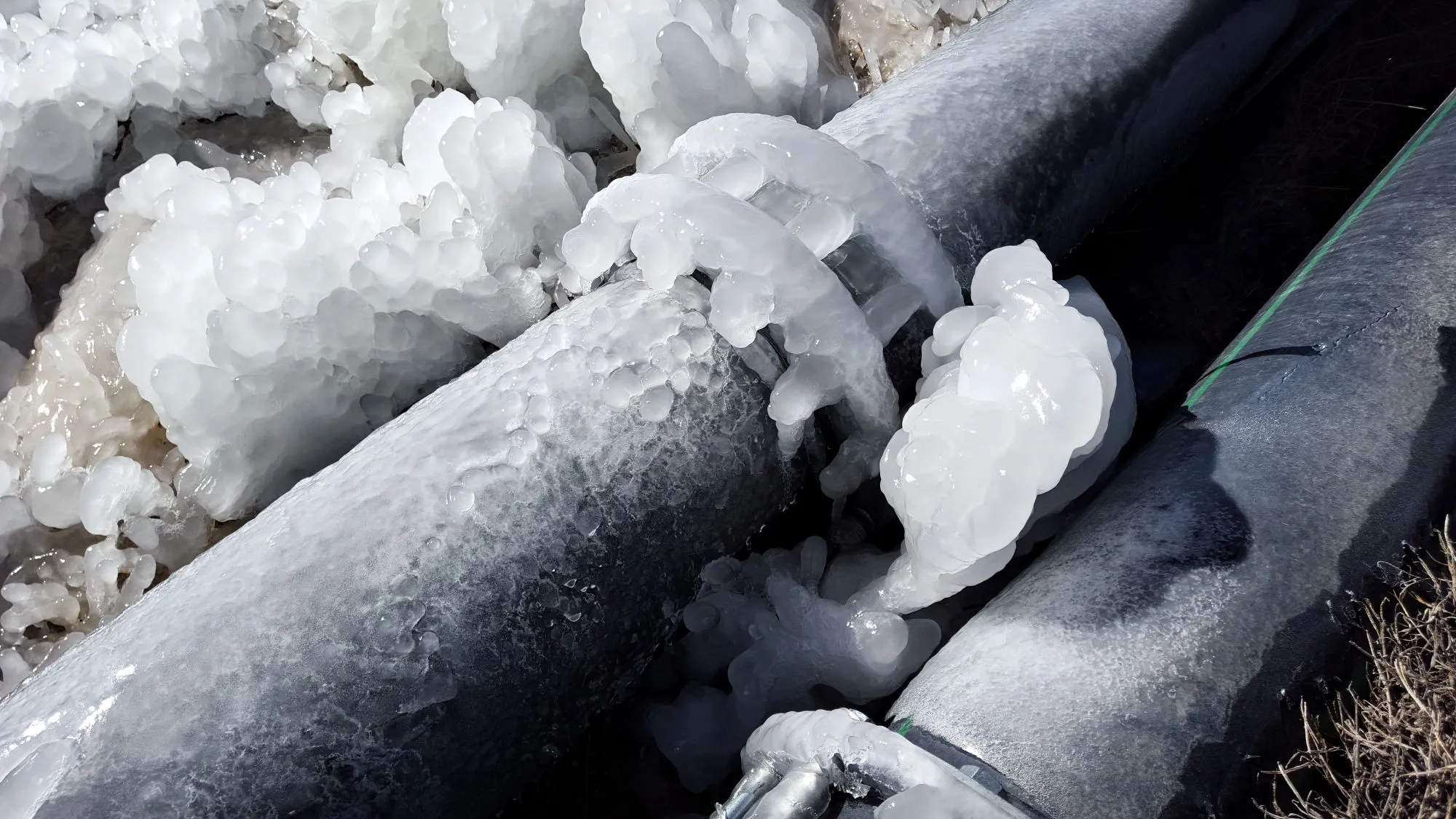
Pipes freeze when the water inside them loses enough heat to turn into ice. Expanding ice may trap water between the blockage and a closed faucet, causing pressure to build until a pipe or fitting splits. The resulting leak often remains hidden until the ice thaws and water begins flowing again.
The Role of Extreme Cold and Heat Loss
Sustained sub-zero weather removes heat from walls, floors and unconditioned spaces. Wind increases the risk by forcing cold air through gaps around foundations, utility penetrations, windows and exterior doors.
A short temperature drop may not affect protected plumbing, while prolonged exposure may freeze a pipe during less severe cold. Insulation delays heat loss, but it does not produce heat. Pipes are best protected when insulation, air sealing and indoor heating work together.
Common Vulnerable Areas in Homes
The pipes most likely to freeze are located in exterior walls, crawl spaces, unfinished basements, attics, garages and cabinets against outside walls. Plumbing near poorly sealed windows, foundation openings and exterior hose connections also faces greater exposure.
Rural properties may have additional risks around well supply entries, pressure tanks, manufactured-home underbellies and plumbing in detached or intermittently heated buildings. These areas may cool much faster than the main living space.
A central thermostat may show a comfortable temperature while plumbing in a remote corner or exterior wall approaches freezing. Room temperature alone does not confirm that concealed pipes are adequately protected.
Warning Signs Your Pipes Are at Risk of Freezing
Warning signs include unusually cold rooms, drafts near plumbing penetrations and exposed pipes that feel significantly colder than the surrounding area. Recognizing these conditions before water flow changes provides time to protect the affected space.
Early Indicators Before a Freeze Occurs
Cold air inside a sink cabinet or a sharp temperature difference between rooms suggests that vulnerable plumbing is losing heat. Frost near a wall opening usually indicates cold-air leakage or condensation rather than proving that a pipe has frozen, but it identifies an area that needs attention.
Reduced water flow, sputtering or no water from one fixture may mean ice has already started forming. Check the area for visible leakage and contact a plumber for assessment. If water is escaping from a pipe or fitting, close the main water shutoff when it is safe to do so.
Situations That Increase Immediate Risk
A furnace breakdown, power outage or fuel interruption creates immediate concern during extreme cold. Other high-risk situations include leaving the thermostat too low, closing heat registers in rooms with plumbing or leaving a garage door open near water lines.
Pipes may still freeze while the heat is on. Poor heat distribution, blocked registers, duct problems or strong drafts may leave one area much colder than the thermostat location.
Preventative Steps to Protect Your Pipes
Effective prevention addresses both the heating system and the specific areas where pipes lose heat. Temporary cold-weather measures should support permanent insulation and air-sealing improvements rather than replace them.
Maintaining Consistent Indoor Heating
Keep the thermostat at a stable temperature during cold weather, including overnight and while the home is unoccupied. Avoid large temperature setbacks when plumbing runs through exterior walls, crawl spaces or other vulnerable areas.
Supply and return vents should remain open and unobstructed so heated air reaches rooms containing plumbing. Seasonal heating system maintenance may identify worn components, restricted airflow and other problems before prolonged cold arrives. Maintenance reduces the risk of a breakdown, but it does not protect pipes from power outages, air leaks or inadequate insulation.
Insulating Pipes and Vulnerable Areas
Approved pipe insulation slows heat loss from exposed water lines in basements, crawl spaces and garages. It does not replace a safe heat source in spaces that regularly fall below freezing.
Seal gaps around pipe penetrations with materials suitable for the location. Do not place insulation or sealants where they interfere with furnace venting, combustion-air openings or required equipment clearances.
Disconnect outdoor hoses before freezing weather. Where an exterior fixture has a dedicated interior shutoff, close the valve and drain the exterior section. Frost-free fixtures still require hoses and attachments to be removed because trapped water may prevent proper drainage.
Keeping Water Flowing in Extreme Cold
A small, continuous trickle may reduce freezing risk when it comes from the specific supply line exposed to cold. Running an unrelated faucet will not protect a vulnerable pipe elsewhere in the home.
If both hot and cold lines pass through the affected area, each side may require consideration. This measure is most appropriate for plumbing that has frozen before, runs through a known cold area or cannot be kept warm during sustained extreme weather.
Running water only delays freezing and may relieve pressure if ice begins forming. It is a temporary precaution, not a substitute for reliable heat, insulation or air sealing.
Quick Actions During Cold Snaps
Before temperatures fall sharply:
- Confirm that the furnace is heating normally and replace a clogged filter if required.
- Keep interior doors open where this helps warm air circulate to plumbing areas.
- Open sink cabinet doors on exterior walls, provided household chemicals remain inaccessible to children and pets.
- Close garage doors and other openings that expose nearby plumbing to outdoor air.
- Check crawl spaces, utility rooms and detached buildings for unusual cold.
- Arrange for someone to check the heat if the home will be unoccupied.
- Locate the main water shutoff before an emergency makes it necessary.
Monitor temperatures in vulnerable rooms rather than relying only on the central thermostat. A room that continues to cool despite the furnace running may indicate an airflow, heating or insulation problem.
What Happens When Heating Systems Fail in Winter
When a heating system fails, the home begins losing stored heat through its walls, roof and foundation. Pipes in exterior or unconditioned areas cool first, so the plumbing risk may develop before the main living space becomes severely cold.
How Furnace Breakdowns Lead to Frozen Pipes
The time available before pipes freeze depends on the outdoor temperature, wind, insulation, house construction and pipe location. A well-insulated home may retain heat longer, while exposed plumbing in a crawl space, garage or manufactured-home underbelly may become vulnerable quickly.
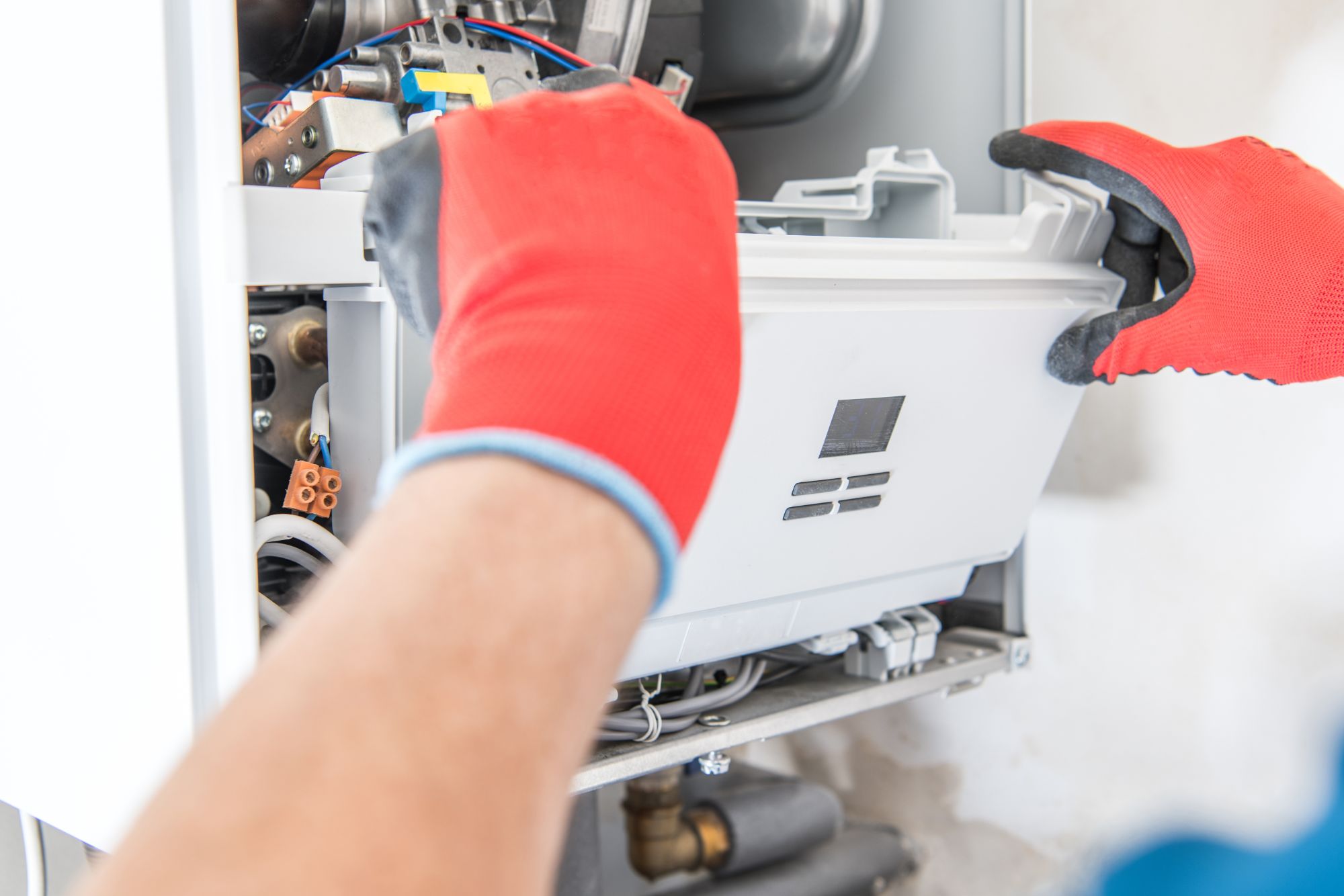
Ignition failure, a malfunctioning thermostat, restricted airflow or a failed blower may stop the furnace from delivering heat. Prompt furnace repair and service is especially important once indoor temperatures begin falling.
Emergency Steps to Reduce Damage Risk
If the furnace stops working, confirm that the thermostat is set to heat and has power. Check the furnace switch and circuit breaker once if it is safe to do so. For systems using delivered fuel, check the available fuel level without adjusting valves or attempting equipment repairs. An empty supply requires coordination with the fuel provider, while a furnace fault requires HVAC service.
Do not repeatedly reset equipment that shuts down again. A safety control may be responding to an active fault.
Close exterior and garage doors, open interior doors leading to plumbing areas and open sink cabinets against exterior walls. An approved electric space heater may be used to warm the room according to its manufacturer’s instructions. Plug it directly into a suitable outlet, keep it clear of water and combustible materials, and never leave it unattended. Do not direct intense heat at one section of pipe or use an oven, barbecue, torch or outdoor heater inside the home.
HVAC service restores the source of heat. A plumber should assess restricted water flow, suspected frozen plumbing or a burst pipe. If a leak develops, close the main water supply when safe and keep clear of water near electrical equipment.
When to Call for Emergency HVAC Service
Request emergency HVAC service when the furnace stops producing heat during freezing weather, indoor temperatures fall rapidly or basic thermostat and power checks do not restore operation. Emergency attention is also appropriate when the furnace repeatedly shuts down, blows cool air or runs without maintaining heat in rooms containing vulnerable plumbing.
If there is a gas odour, carbon monoxide alarm or smoke, leave the building immediately. Do not operate electrical switches, thermostats or equipment on the way out. Contact emergency services or the gas utility from a safe location before contacting an HVAC provider.
Protecting Your Home with Reliable Heating in Westlock
Frozen-pipe prevention requires attention to both the heating system and the parts of the home where plumbing is exposed to cold. Homeowners should respond when rooms remain unusually cold, water flow changes or the furnace no longer maintains the selected temperature.
All Around Heating & Cooling provides furnace, heating and emergency HVAC services for Westlock and surrounding communities. Addressing heating problems promptly helps limit the time vulnerable pipes spend in falling indoor temperatures.