Furnaces, central air conditioners, and air-source heat pumps often remain in service for 15 years or longer, but there is no single replacement age that applies to every system. Installation quality, annual runtime, equipment sizing, airflow, maintenance history, and component condition all influence how long HVAC equipment remains safe, reliable, and practical to operate. For Alberta homeowners trying to estimate when replacement planning should begin, All Around Heating & Cooling considers equipment age alongside its actual operating condition.
Typical HVAC System Lifespans in Alberta
Expected HVAC lifespans are best used as planning ranges rather than expiration dates. Equipment may remain useful beyond these ranges when it continues operating safely and reliably, while poor operating conditions or recurring mechanical problems can shorten its useful service life.
Gas furnace: About 15 to 20 years. Heavy runtime, restricted airflow, improper sizing, installation problems, and neglected maintenance can contribute to reduced service life.
Central air conditioner: About 15 years or longer. Poor airflow, dirty coils, improper sizing or installation, and refrigerant-system problems can reduce how long the system remains practical to operate.
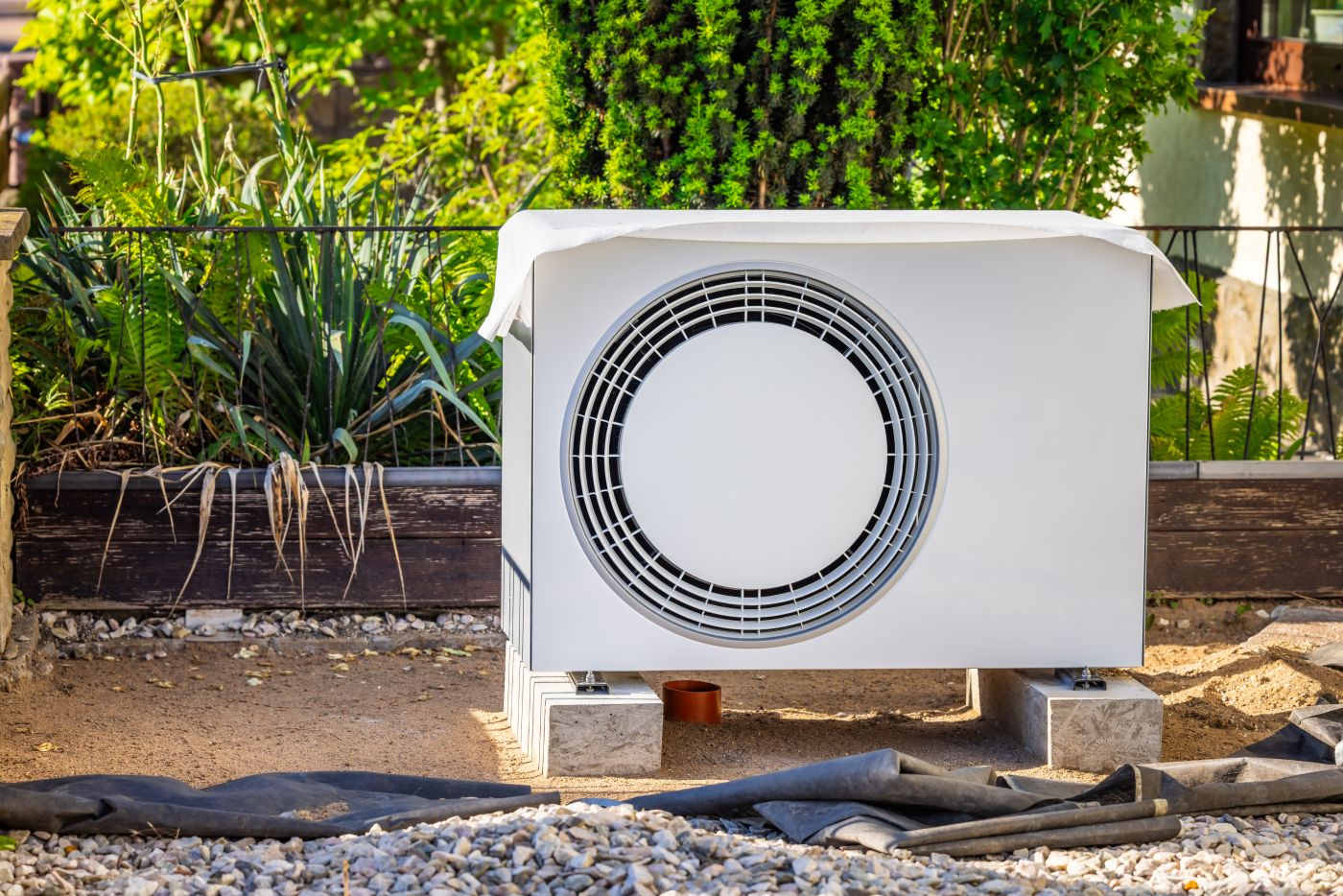
Air-source heat pump: About 15 to 20 years. High annual runtime, airflow problems, frequent cycling, improper sizing, and installation issues can contribute to earlier wear.
Natural Resources Canada identifies a service life of approximately 15 years or longer for central air conditioners and about 15 to 20 years for air-source heat pumps. Furnace manufacturers, including Carrier, commonly place gas furnaces in a similar 15-to-20-year range, although individual equipment can fall outside these estimates.
How Long Does a Furnace Last in Alberta?
A residential gas furnace commonly lasts about 15 to 20 years, although actual service life depends on installation, operating conditions, maintenance, and equipment condition. A well-maintained furnace can remain in service beyond 20 years when it continues operating safely and reliably, but reaching the typical lifespan range is a reasonable point to begin planning for eventual replacement.
Repair history becomes increasingly important as a furnace ages. Recurring or costly problems affecting reliability, safety, or the practicality of future repairs can make replacement planning more relevant even when the furnace has not yet reached the upper end of its expected service range.
Why Alberta Winters Can Shorten Furnace Life
Alberta's long heating season can result in substantial annual furnace runtime. More accumulated operating hours mean blower motors, inducer motors, ignition components, and other mechanical and electrical parts may reach wear-related problems sooner in calendar years than comparable equipment used less frequently.
Cold weather alone does not determine furnace lifespan. Sustained heating demand becomes more significant when combined with restricted airflow, incorrect equipment sizing, short cycling, or other conditions that increase operating stress.
Long furnace cycles during very cold weather are not automatically a problem because the system may simply be responding to increased heating demand. Repeated short cycles or an inability to maintain the thermostat setting are more useful reasons to have system operation assessed.
What Can Extend a Furnace's Useful Life
Proper airflow helps limit avoidable stress on furnace components. Filters should be inspected and changed or cleaned according to manufacturer requirements, while supply and return vents should remain unobstructed so the system can move air as intended.
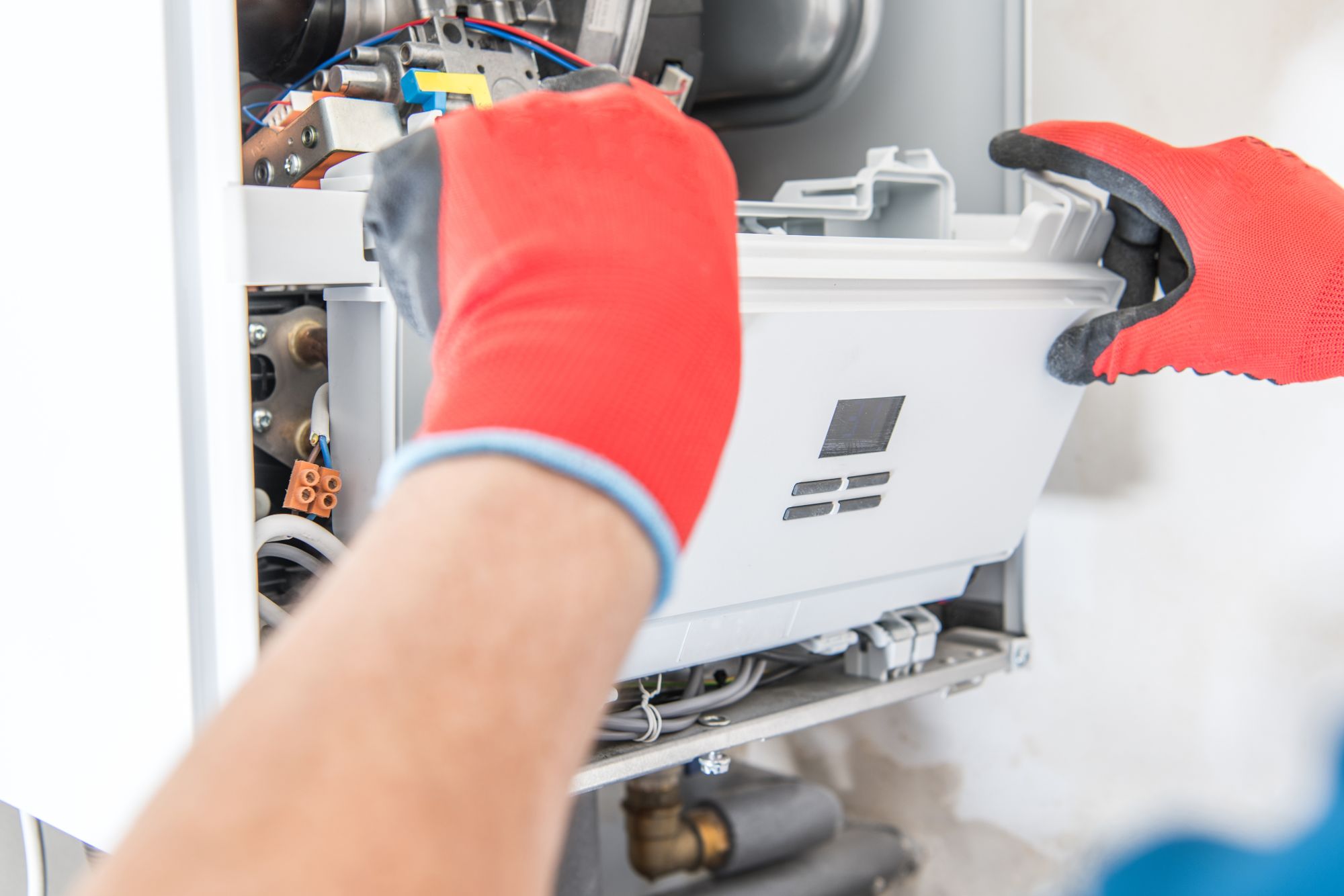
Routine servicing can identify developing issues involving burners, ignition components, blower operation, venting, controls, or the heat exchanger. Maintenance does not guarantee that a furnace will reach a particular age, but it can help prevent correctable operating problems from unnecessarily reducing its service life.
Correct equipment sizing also matters because a furnace should be matched to the home's heating requirements rather than selected solely by square footage or the capacity of the previous system. Proper sizing helps reduce avoidable cycling and unnecessary operating stress.
How Long Does Central Air Conditioning Last in Alberta?
A central air conditioner generally has a service life of approximately 15 years or longer, although actual lifespan depends on installation, equipment sizing, airflow, coil condition, refrigerant-system performance, maintenance, and annual operating hours.
Alberta's shorter cooling season can reduce annual runtime compared with climates where air conditioning operates for much of the year, which may contribute to longer equipment life. Lower runtime does not guarantee a longer lifespan, however, because installation problems, poor airflow, or significant mechanical issues can still shorten the useful life of the system.
Age becomes more important when an older air conditioner also develops recurring compressor, refrigerant-system, or other costly problems. At that point, continued investment in the aging system may become less practical.
How Seasonal Use Affects AC Lifespan
Annual operating hours matter more than location alone when considering AC lifespan. Alberta homeowners may use central air conditioning for a relatively limited portion of the year, but actual runtime still varies with weather, household preferences, building characteristics, and system sizing.
A system that accumulates fewer operating hours may experience less wear over the same number of calendar years. Equipment that cycles excessively or runs for unusually long periods despite moderate conditions should instead be assessed for sizing, airflow, control, or mechanical problems.
Why Installation and Maintenance Matter as Much as Age
A central air conditioner depends on the outdoor unit, indoor coil, blower, refrigerant circuit, electrical components, and controls working together. Problems affecting airflow or heat transfer can increase operating stress even when the equipment itself is not especially old.
Dirty coils and restricted airflow reduce the system's ability to transfer heat effectively, while incorrect refrigerant charge can interfere with normal operation. These AC-specific conditions help explain why two systems installed in the same year can reach very different mechanical conditions.
Maintenance can address preventable operating problems, but it cannot correct poor equipment selection or installation after the fact without additional work. Installation history and current system condition therefore remain important when estimating remaining service life.
How Long Does a Heat Pump Last in Alberta?
An air-source heat pump commonly has an expected service life of about 15 to 20 years, although actual longevity depends on equipment design, installation, annual operating hours, climate, and maintenance. This range applies specifically to air-source heat pumps and should not be treated as the expected lifespan for every type of heat-pump system.
Because an air-source heat pump can provide both heating and cooling, it may accumulate substantially more annual runtime than a cooling-only central air conditioner. Remaining service life should therefore be assessed using age, operating history, repair frequency, and the condition of major components rather than calendar age alone.
Compressor condition is particularly important because the compressor is central to both heating and cooling operation. Evaluating compressor condition generally requires professional diagnosis rather than homeowner observation.
Heating and Cooling Use Creates Different Wear Patterns
A heat pump operates its refrigeration system during both heating and cooling, so it can accumulate operating hours during more of the year than a central air conditioner. The actual amount of use depends on the home's heating demand, equipment capacity, control strategy, weather, and whether another heating source shares part of the winter load.
Year-round operation does not mean a heat pump is inherently short-lived because the equipment is designed to provide both functions. It does mean that accumulated runtime is more useful than a direct age comparison with a cooling-only air conditioner when judging wear.
Cold-Climate Operation and Auxiliary Heating
Heat-pump heating capacity and efficiency change as outdoor temperatures fall, and the extent of that change varies by model. Cold-climate heat pumps are designed to continue providing heating at lower outdoor temperatures, but there is no universal minimum temperature or operating point that applies to every system.
Some installations use supplemental electric heat or another heating source when additional capacity is required. The conditions that trigger supplemental heating depend on the equipment, controls, system design, and the home's heating requirements.
Greater use of supplemental heat can reduce the amount of compressor runtime during colder conditions, while systems that rely more heavily on the heat pump may accumulate more winter operating hours. That difference affects operating history but does not, by itself, predict how long the heat pump will last.
Age Is Only One Sign an HVAC System Is Nearing the End
Age becomes more useful as a replacement signal when it appears alongside changes in reliability, performance, or repairability. Homeowners should pay particular attention to several conditions as equipment approaches or exceeds its expected service range.
- Rising repair frequency: Repeated failures can indicate that deterioration is no longer limited to one isolated component.
- Efficiency decline: Increased energy consumption under broadly similar weather and household-use conditions can justify further investigation, although utility bills alone cannot identify the cause.
- Inconsistent comfort: New heating or cooling inconsistencies can result from equipment, airflow, ductwork, controls, or building conditions and should be diagnosed before replacement is assumed necessary.
- Unusual operating cycles: Repeated short cycling or unexpectedly long runtime can point to sizing, airflow, control, capacity, or mechanical problems.
- Limited parts availability: Older equipment can become less practical to maintain when required components are obsolete or increasingly difficult to source.
No individual symptom proves that replacement is required. Several developing problems on an aging system are more significant than age or one isolated repair by itself.
When to Start Planning for HVAC Replacement
Replacement planning should begin before an aging HVAC system becomes unreliable enough to force an immediate decision. Planning allows homeowners to budget and review future equipment needs without assuming that functional equipment needs to be replaced immediately.
Planning and replacement are therefore separate decisions. An aging system can remain in service while the homeowner prepares financially and monitors whether reliability, repairability, or equipment condition begins to change.
Systems Approaching Their Expected Service Window
Around 15 years of service is a practical point to become more deliberate about budgeting for many furnaces, central air conditioners, and air-source heat pumps. It should be treated as a planning checkpoint rather than an automatic end-of-life date because the expected range and actual condition differ by system.
Equipment that remains safe, reliable, and practical to maintain can continue operating beyond its typical service window. Homeowners approaching this stage should understand the likely cost of future replacement and monitor whether repair frequency or major component problems are beginning to change the economics of continued operation.
Planning Ahead Instead of Waiting for a Mid-Winter Failure
Advance planning is particularly important for primary heating equipment because a winter breakdown can leave less time to evaluate replacement options, confirm appropriate equipment sizing, and schedule installation under normal conditions.
Proactive planning does not mean replacing a functional furnace or heat pump simply because it is old. Replacement becomes more pressing when an aging system develops recurring failures, major repair needs, declining reliability, or increasingly limited parts availability.
Preparing before that point gives homeowners time to compare appropriate replacement options instead of making the entire decision during an urgent heating failure.
Replacing an Aging HVAC System in Westlock
For homeowners in Westlock, the next step with an aging HVAC system is to determine whether it remains safe, reliable, and practical to maintain rather than replacing it based on age alone. An assessment can help distinguish normal age-related wear from problems that materially affect reliability or the value of continued repairs.
All Around Heating & Cooling provides furnace, air-conditioning, heat-pump, maintenance, and emergency HVAC services in Westlock and surrounding communities. Evaluating aging equipment before a major failure can help determine whether continued operation, repair, or planned replacement is the appropriate next step.