Most homeowners use the terms HVAC, furnace, and air conditioner interchangeably, even though they refer to different parts of a home comfort system. In Alberta homes especially, understanding the difference matters when diagnosing problems, planning upgrades, or scheduling service. All Around Heating & Cooling works with complete heating and cooling systems across the province, so knowing how each component fits together helps homeowners communicate issues clearly and make informed decisions.
HVAC Refers to the Entire System, Not One Unit
HVAC stands for heating, ventilation, and air conditioning. In a residential setting, HVAC describes the complete system that moves air through the home, controls temperature, and maintains indoor comfort.
A typical HVAC system includes:
• Heating equipment
• Cooling equipment
• Ductwork for air distribution
• Indoor air handling components
• Thermostats and system controls
The system works as a whole, even though individual components operate at different times of the year.
In Alberta homes, HVAC systems are usually built around a central furnace for heating and a separate air conditioning unit for cooling, both connected through shared ductwork and indoor air handling equipment.
What a Furnace Does in a Home System
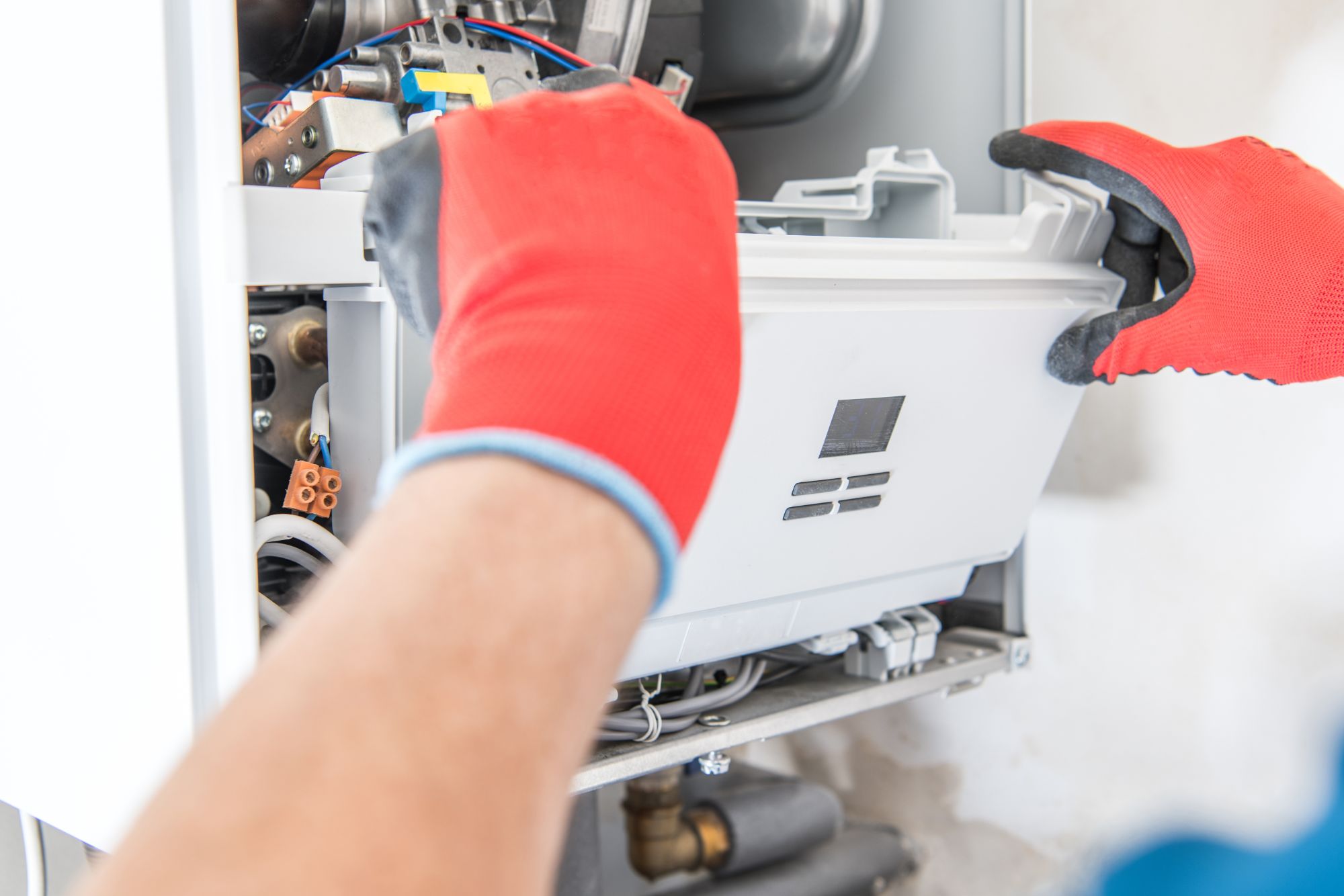
A furnace is the heating component of an HVAC system. Its role is to generate heat and distribute it throughout the home.
Most Alberta homes use natural gas furnaces. Heated air is pushed through ductwork to supply vents, then circulated back through return air pathways to maintain consistent temperatures.
Common furnace related problems include:
• No heat during winter
• Uneven heating between rooms
• Short cycling or frequent system starts
• Reduced airflow from vents
In these situations, professional furnace services are typically required to restore safe and reliable heat.
What an Air Conditioner Does
An air conditioner is the cooling component of an HVAC system. Instead of creating cold air, it removes heat from inside the home and transfers it outdoors.
Central air conditioning systems rely on a cooling cycle that absorbs indoor heat and releases it outside, then distributes cooled air through the same ductwork used by the furnace.
Air conditioning issues homeowners often notice include:
• Warm air blowing from vents
• Inconsistent cooling throughout the home
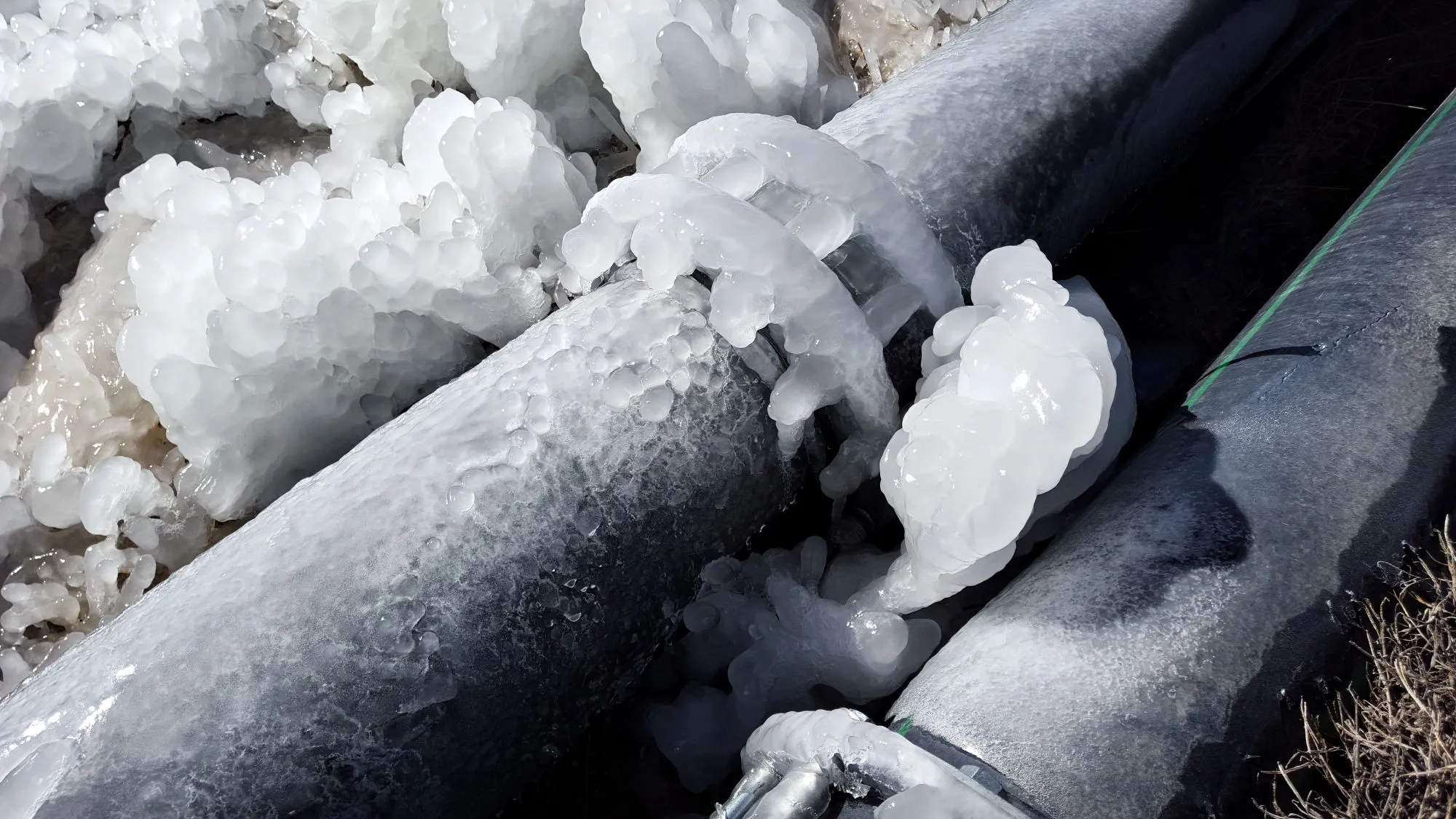
• Ice forming on indoor or outdoor components
• Increased indoor humidity
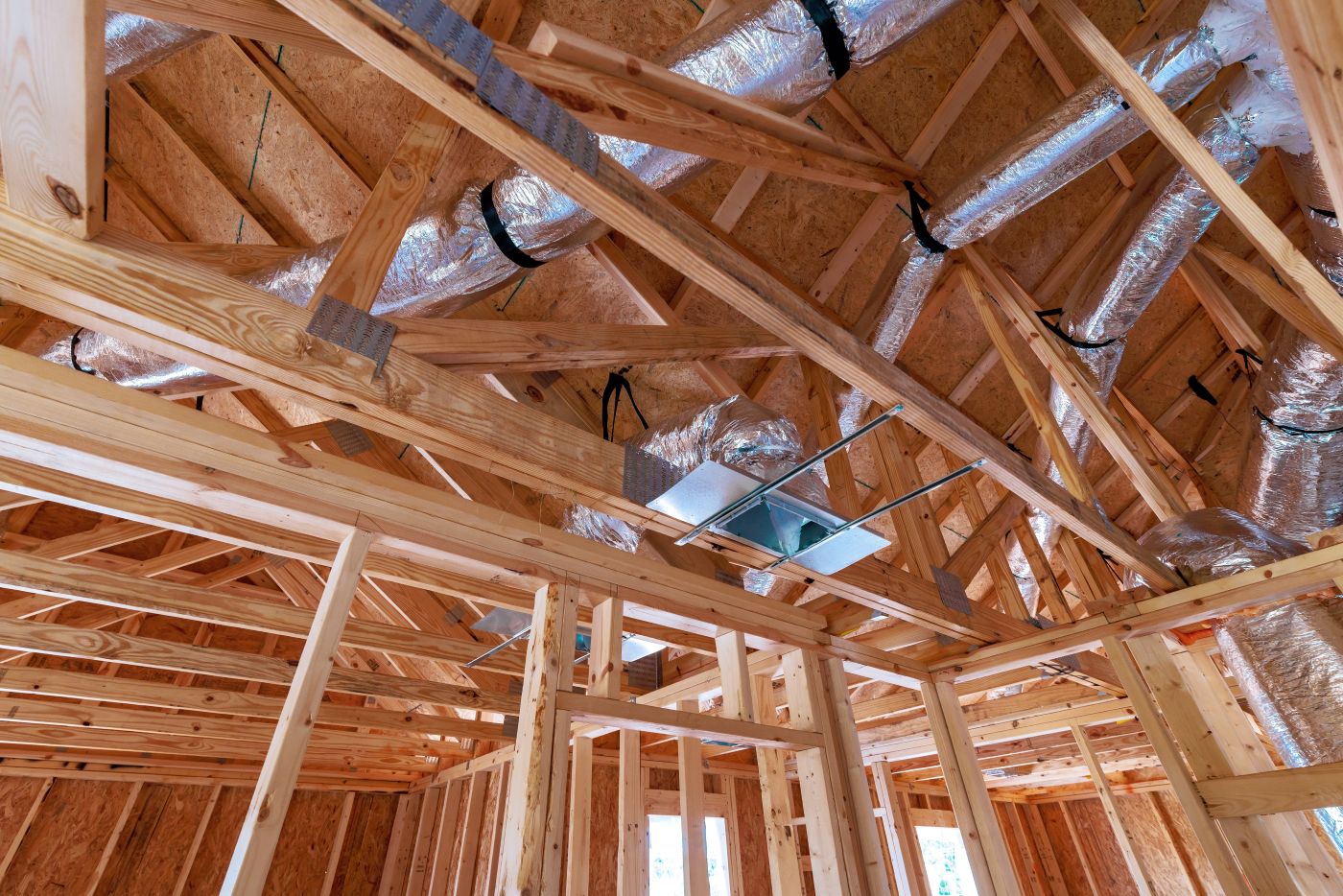
Because heating and cooling systems share ductwork and airflow paths, air conditioning services often involve checking more than just the outdoor unit.
How HVAC Components Work Together
Furnaces and air conditioners operate in different seasons, but they depend on shared infrastructure. Air movement, filtration, and distribution remain consistent year round.
Key shared components include:
• Supply and return ductwork
• Air filters
• Indoor blowers
• Thermostat controls
When airflow is restricted or ductwork is compromised, problems may appear as furnace or AC failures even though the issue exists elsewhere in the HVAC system.
What Systems Alberta Homes Typically Use
Most Alberta homes rely on gas furnaces paired with central air conditioning. This configuration handles long winters efficiently while providing cooling during warmer months.
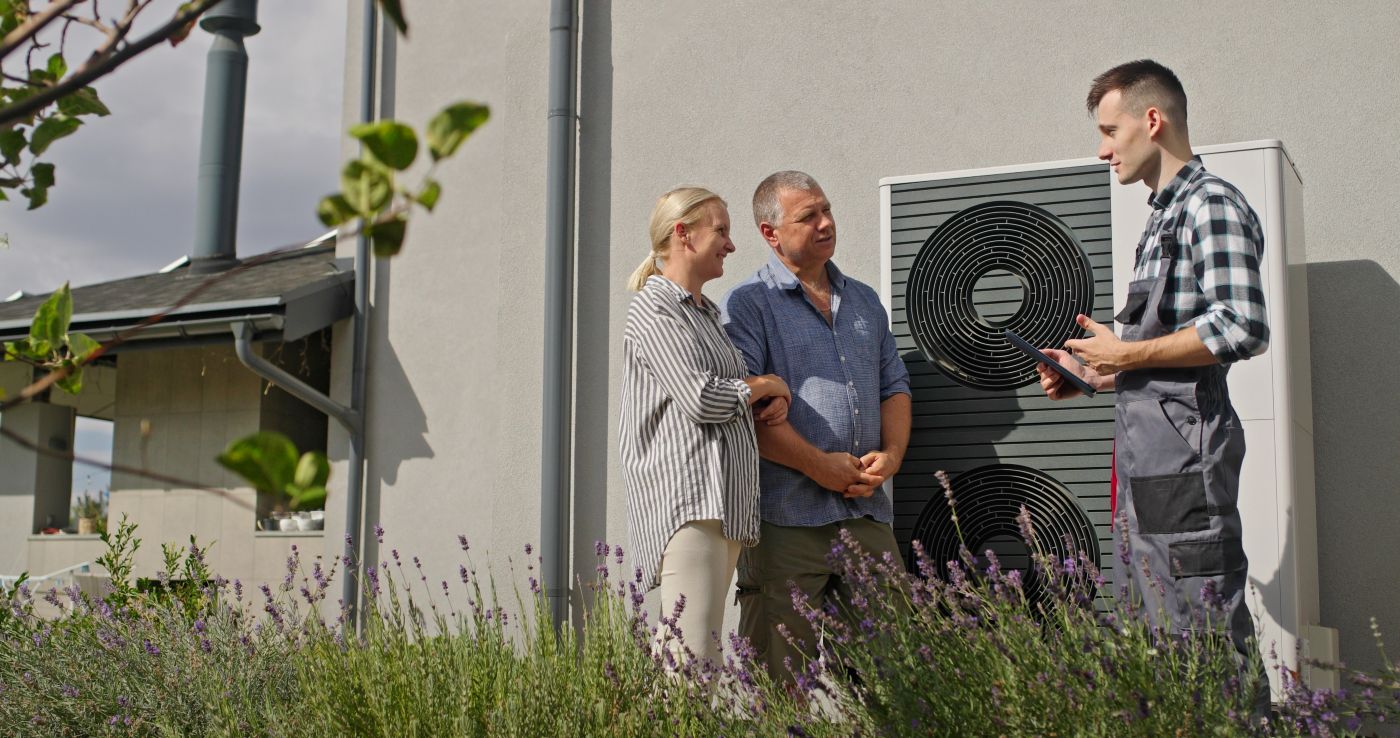
Heat pumps are becoming more common but remain less widespread due to cold climate performance limitations. In many homes, furnaces remain the primary heating source, with air conditioners added specifically for summer comfort.
Understanding which equipment is installed helps homeowners determine whether they need furnace service, air conditioning service, or broader HVAC diagnostics.
When Homeowners Need HVAC Service vs Furnace or AC Service
Some issues are isolated to individual components, while others affect the system as a whole.
Furnace service is typically needed when:
• There is no heat
• Heating is uneven or unreliable
• Unusual noises occur during heating cycles
Air conditioning service is usually required when:
• Cooling performance drops
• Warm air replaces cool airflow
• Moisture or ice buildup appears
HVAC service becomes necessary when airflow issues, duct problems, or control failures impact both heating and cooling performance.
Energy Efficiency and System Performance
Energy efficiency depends on how well HVAC components work together. Even high efficiency equipment can underperform if airflow, ductwork, or system balance is compromised.
System performance is influenced by:
• Proper equipment sizing
• Installation quality
• Duct design and condition
• Regular service and inspections
Addressing issues early helps reduce strain on heating and cooling equipment and supports long term operating efficiency.
Knowing which part of the system is responsible for a problem allows homeowners to request the right service. If professional guidance is needed, you can contact All Around Heating & Cooling to schedule an assessment.