Preparing your HVAC system for Alberta winters means reducing breakdown risk, maintaining steady heat delivery, and confirming safe operation before sustained cold weather. The steps below focus on furnace checks, airflow, thermostat setup, and practical winter readiness tasks, based on how heating systems typically operate in Alberta homes and how All Around Heating & Cooling handles seasonal readiness.
Why Winter HVAC Preparation Matters in Alberta
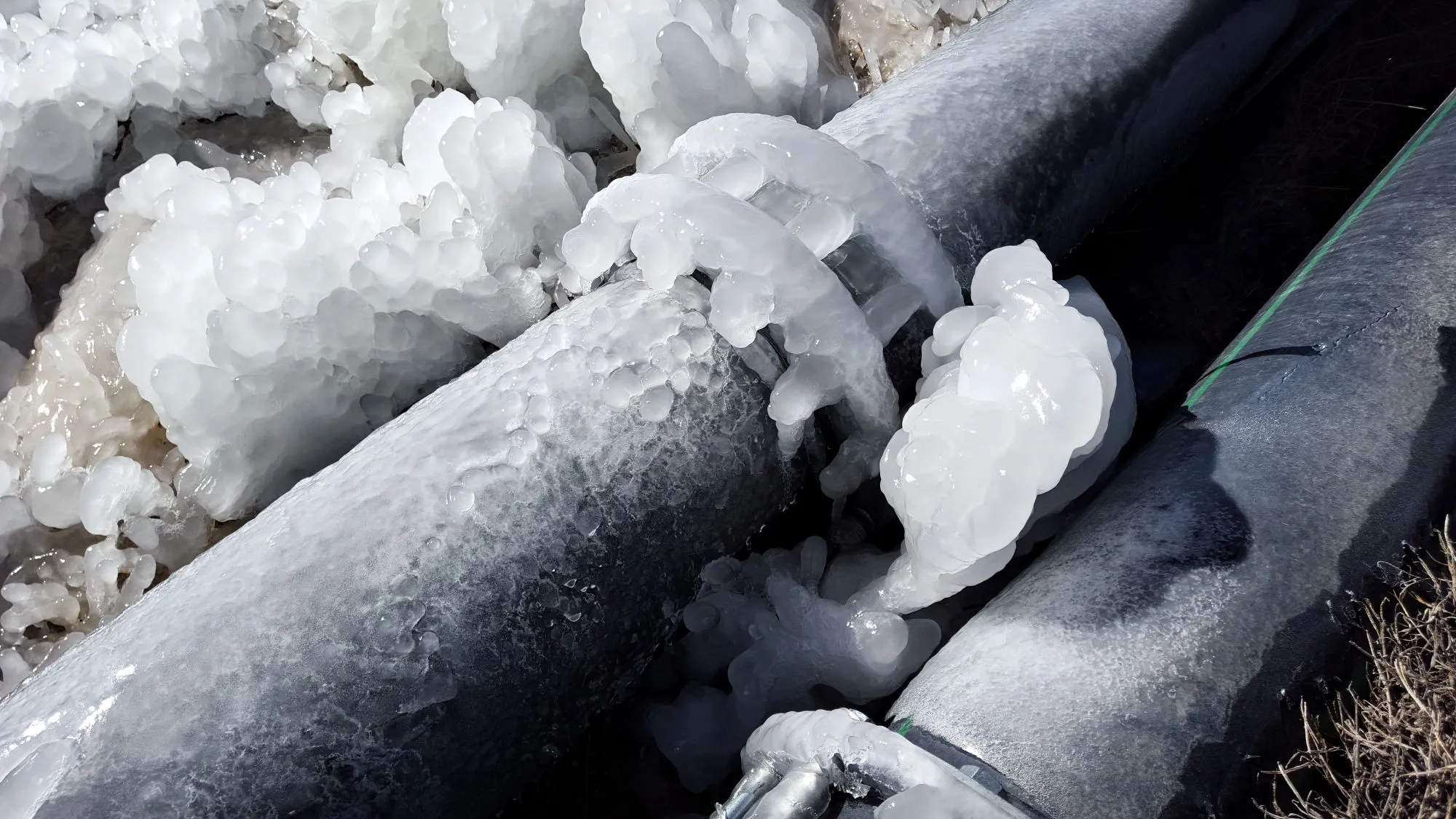
Extended cold weather increases furnace runtime, which increases wear on ignition, burners, blower components, and safety switches. Higher runtime also magnifies small airflow problems, such as restrictive filters or partially blocked vents, which can lead to uneven heating or short cycling. Winter conditions also raise the cost of a failure, because a no heat event can quickly create freezing risk for plumbing and interior finishes.
Preparation is most useful when it is done before the first sustained cold stretch, or immediately when performance changes show up, such as longer heat up times, new noises, or uneven temperatures. It is less useful to delay until a complete failure, because the same part shortages and scheduling delays that happen every winter are most common during the first cold snap.
Core Winter Readiness Steps for Your Heating System
A good winter readiness routine targets the parts that most commonly trigger no heat calls, and the constraints that make a furnace work harder than necessary. The priority is reliable ignition, stable airflow, accurate temperature control, and a clear path for supply and return air.
Furnace Inspection and Heat Exchanger Check
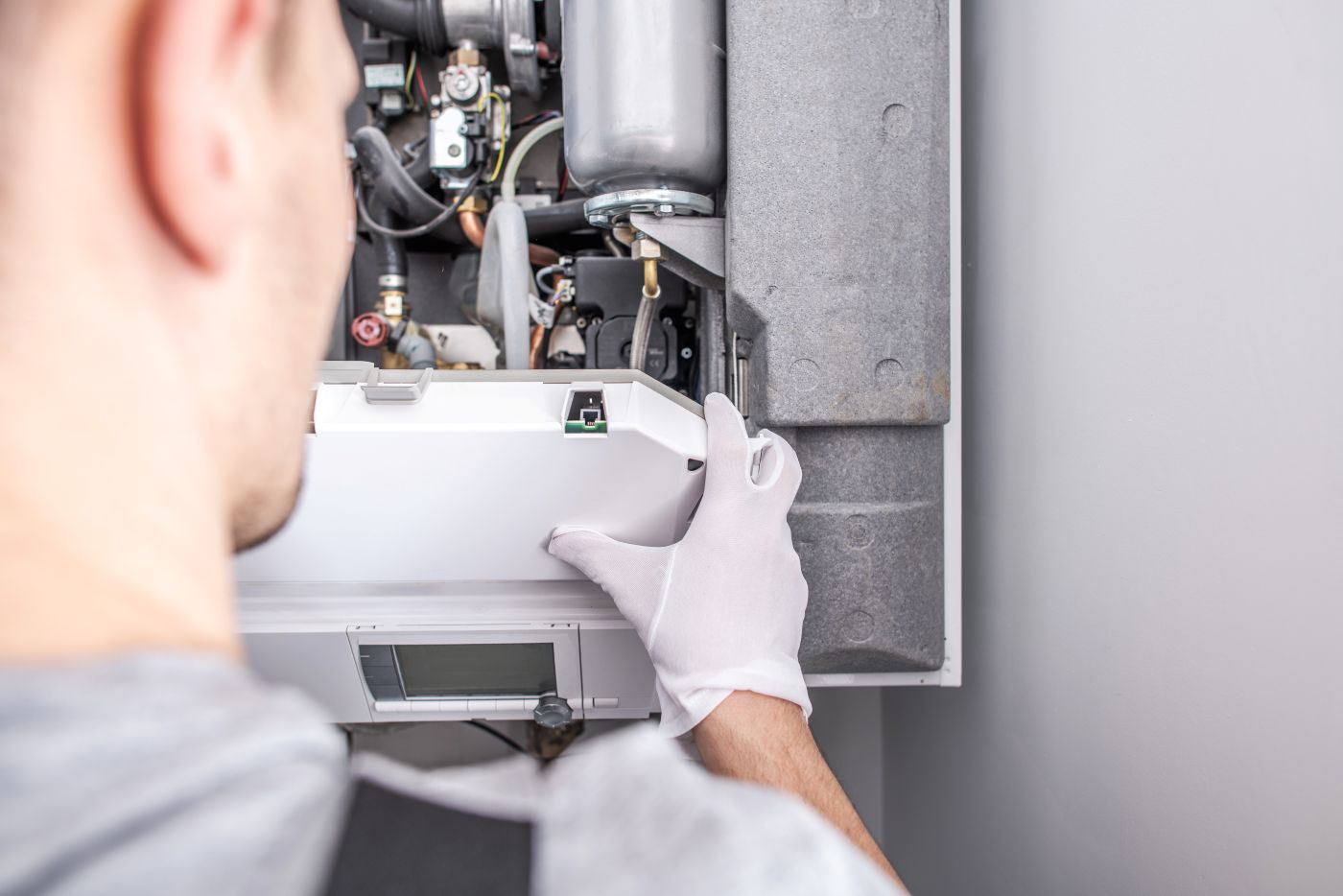
A furnace inspection should confirm normal ignition, burner flame stability, and proper venting operation. On gas furnaces, the heat exchanger is a key safety component, because it separates combustion gases from household air. A heat exchanger check typically looks for visible deterioration, unusual soot patterns, or performance symptoms that suggest abnormal combustion or airflow conditions.
If a furnace shows signs of unsafe operation, it should be shut down and assessed before continued winter use. A heat exchanger issue is not a maintenance item that can be deferred until spring, because the furnace will run more in winter.
Air Filter Replacement and Airflow Improvement
Filter condition directly affects airflow, blower load, and the ability of the furnace to deliver heat evenly. A clogged filter can cause higher temperature rise through the furnace, increased cycling, and poor comfort in distant rooms. Replace the filter with the correct size and rating for the system, and ensure it is seated properly so air cannot bypass it.
Higher MERV is not always better. Filters that are too restrictive for the duct system can reduce airflow, which can create heating issues in winter. If filters load quickly during winter, the practical response is more frequent replacement, not selecting a filter that restricts airflow.
Thermostat Optimization for Cold Weather
Thermostat settings affect runtime patterns and comfort stability. Large temperature setbacks can increase recovery time and force long heating runs, especially in older or less insulated homes. A smaller setback can reduce morning recovery strain and keep indoor temperatures steadier.
If the thermostat uses staging, the goal is consistent first stage operation and smooth transitions, not frequent jumps to higher stages. Battery condition and thermostat placement also matter, because a thermostat influenced by drafts, sunlight, or nearby heat sources can cause overshooting and uneven room temperatures.
Vents, Registers, and Airflow Path Inspections
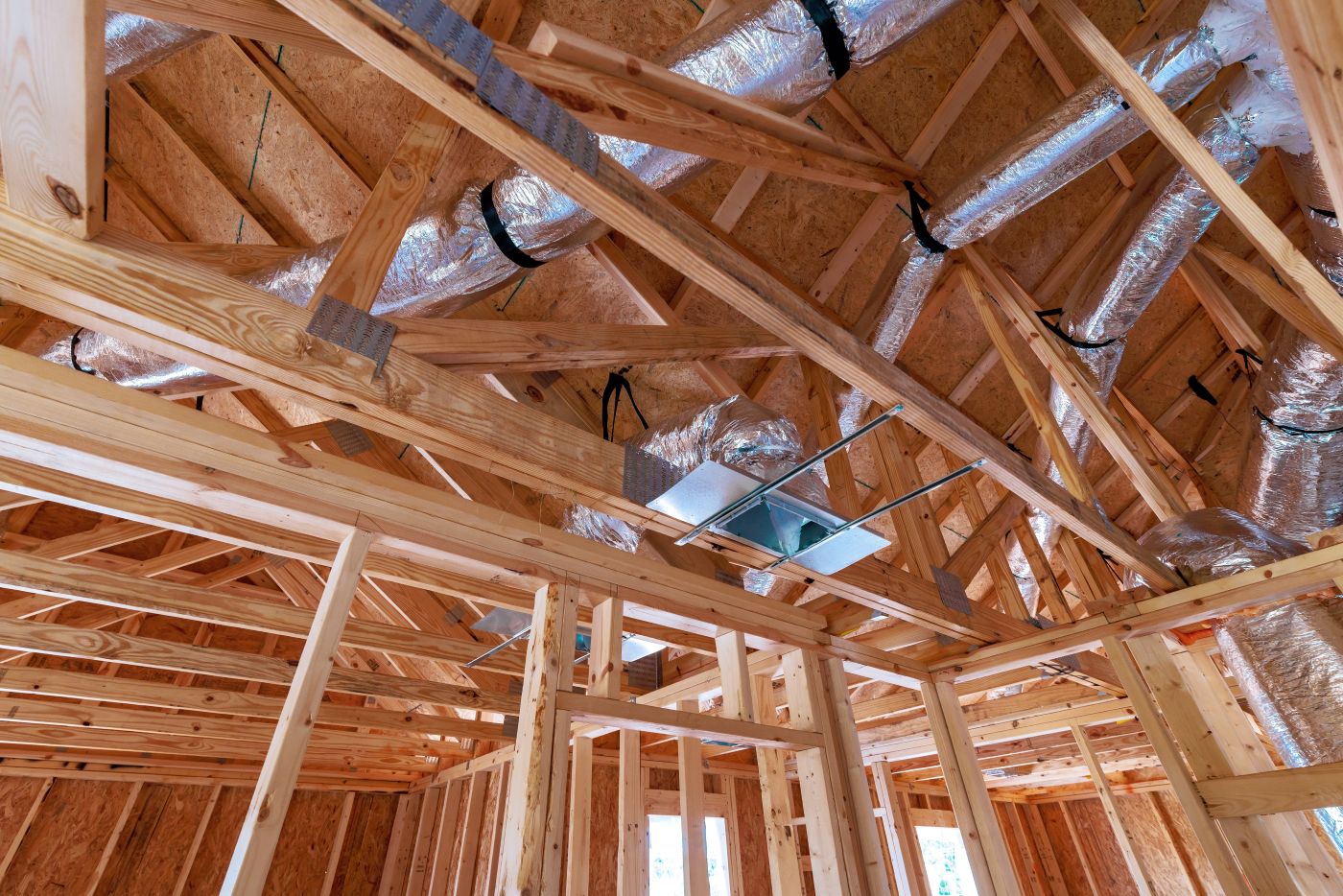
Open supply registers and clear return air paths support stable airflow. Closing multiple vents can increase static pressure and reduce total airflow, which can worsen comfort and stress blower operation. A better approach is to keep vents open and address comfort imbalance by checking for obstructions, damaged registers, or duct issues.
Return air restrictions matter as much as supply restrictions. Blocked returns from furniture, rugs, or closed interior doors can cause certain rooms to run colder, even if the furnace is operating normally.
Outdoor Units and Exterior HVAC Components
Outdoor components that matter in winter include intake and exhaust terminations, vent pipes, and any exterior equipment that shares airflow space. Snow buildup, drifting, or ice can block terminations and interfere with proper venting. Keep exterior termination areas clear, and avoid placing objects, stacked snow, or covers that restrict airflow.
For homes with a heat pump, outdoor unit clearance is necessary for airflow and defrost operation. Snow and ice management should focus on keeping airflow paths open, not enclosing the unit.
Safety Checks Homeowners Should Never Skip
Carbon monoxide alarms should be installed and tested according to manufacturer instructions, with functioning batteries and placement that matches the home layout. If an alarm activates, treat it as a safety event and arrange an assessment before continuing furnace operation.
Check that combustion air openings and vent terminations are unobstructed. Do not seal or block intake pipes, mechanical room grilles, or exterior terminations to reduce drafts. That can create unsafe combustion conditions or shutdowns.
If you smell gas, or if you notice persistent soot, scorch marks, or unusual burner behavior, shut the system down and have it inspected.
Signs Your HVAC System Is Not Winter Ready
Frequent cycling, uneven temperatures, or a furnace that runs continuously without reaching setpoint can indicate airflow restriction, thermostat issues, or equipment performance problems. New loud noises, grinding, or repeated ignition attempts are not normal.
Other warning signs include weak airflow at registers, burning smells that persist after a short initial warm up, and moisture issues such as excessive window condensation that appears alongside comfort complaints. A sudden rise in energy use without a change in weather can also indicate reduced efficiency from airflow or combustion problems.
What a Professional HVAC Tune Up Includes
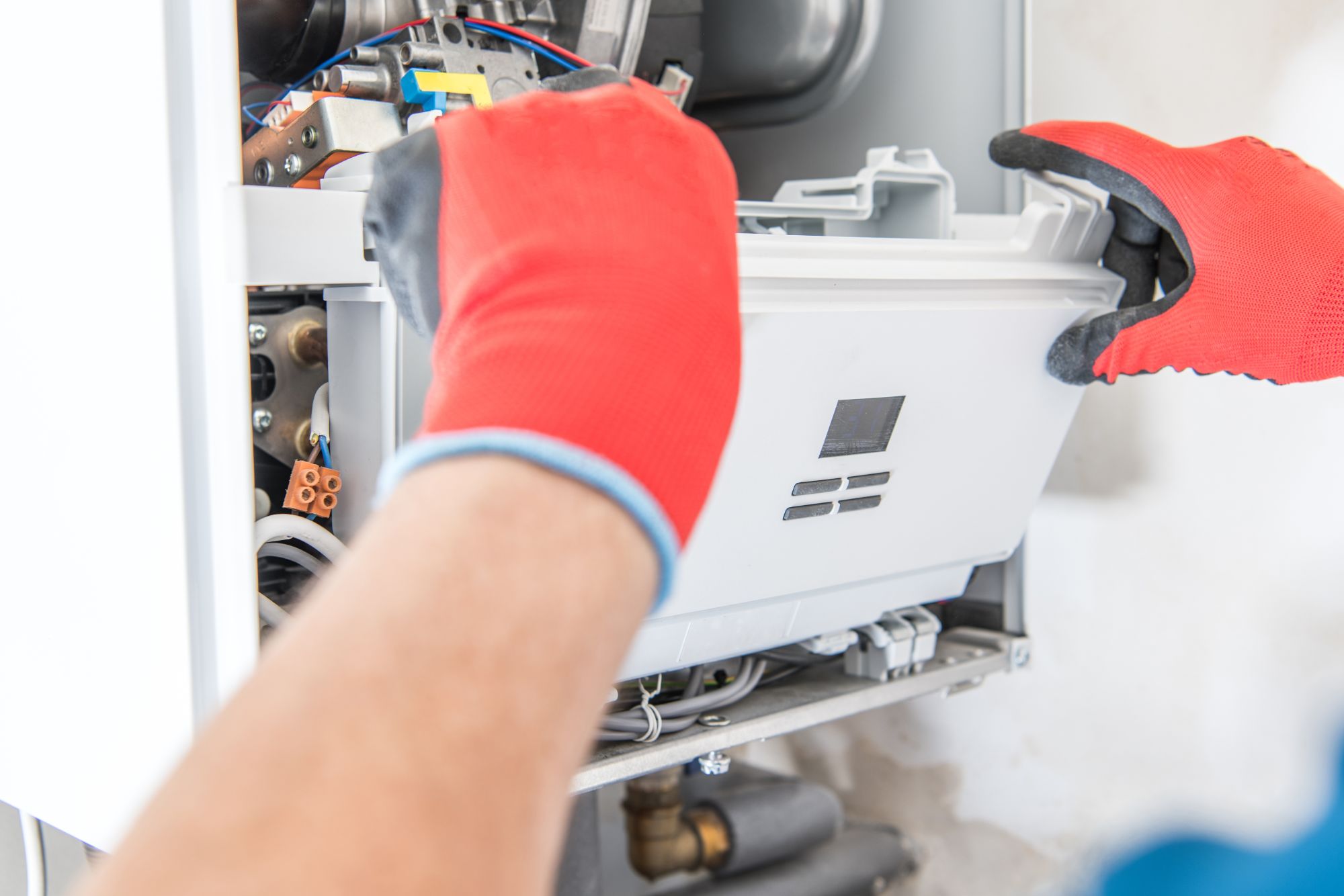
A professional tune up typically includes inspection of ignition components, burner operation, and flame characteristics, plus verification of safeties and basic system function. It also includes checking blower performance, filter fit, and key airflow factors that affect temperature rise and comfort. Venting, drain components where applicable, and thermostat operation are also checked by All Around Heating & Cooling as part of standard seasonal service.
If issues are found, a tune up should identify what is required for safe operation versus what is optional optimization. In winter readiness work, the primary goal is safe and reliable heat first, then efficiency and comfort improvements if the system condition supports them.
Book a Winter HVAC Inspection Before Peak Season
If you want the system checked before the busiest winter period, schedule a furnace inspection early, before sustained subzero weather increases demand and reduces appointment availability. Use the contact page to arrange an inspection and address issues that commonly lead to mid winter breakdowns.