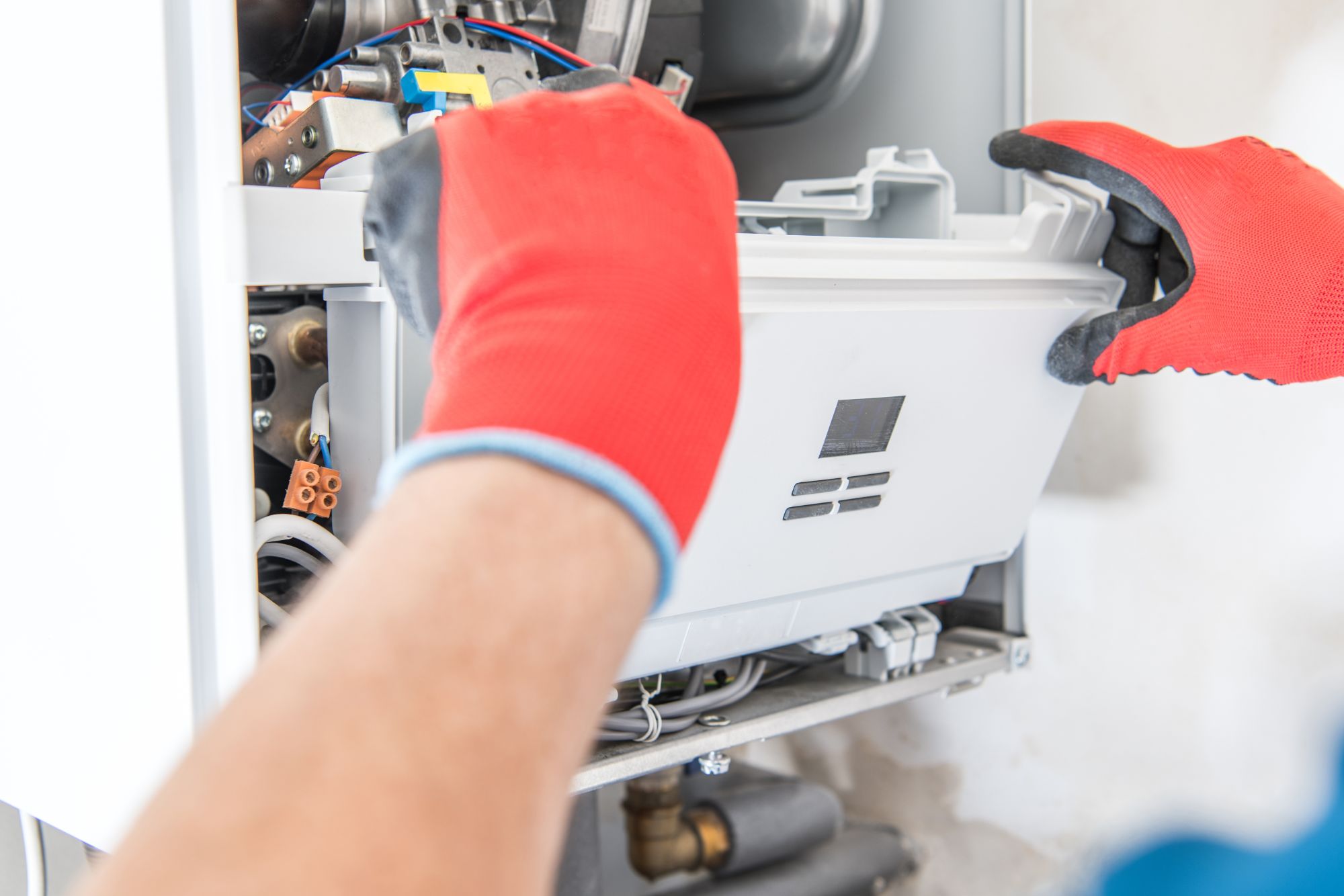
Choosing between a gas vs electric furnace in Alberta depends on more than equipment preference. Operating costs, heating performance, installation requirements, and long-term ownership expenses all influence which system makes the most sense for a particular home. Alberta's cold winters create unique demands on heating equipment, making climate suitability an important factor in the decision. All Around Heating & Cooling helps homeowners understand the practical differences between gas and electric furnaces so they can make an informed choice.
Performance in Alberta’s Cold Climate
Alberta experiences prolonged periods of sub-zero temperatures that place significant demands on heating systems. Any furnace selected for year-round use must be capable of maintaining indoor comfort during severe winter weather.
Heating Power in Extreme Temperatures
One common misconception is that electric furnaces cannot handle extreme cold. In reality, electric furnaces can produce sufficient heat even during Alberta's coldest winter conditions.
The difference is not whether the furnace can generate heat. The difference is how much energy is required to do so. Electric furnaces convert electricity directly into heat and can maintain indoor temperatures effectively when properly sized.
Gas furnaces also perform exceptionally well during extreme cold and are often capable of delivering high heating output for large homes or properties with significant heat loss. For most homeowners, both systems can meet heating demands when properly designed and installed.
Reliability During Cold Snaps
Both furnace types are generally reliable when properly maintained. Gas furnaces rely on combustion systems, gas valves, ignition components, venting systems, and safety controls. Electric furnaces eliminate combustion-related components and typically contain fewer moving parts.
Electric systems may be viewed as mechanically simpler, but both furnace types depend on electricity for operation. During a power outage, neither system will typically function without backup power. In Alberta's climate, reliability is often influenced more by maintenance history and equipment condition than by fuel type alone.
Cost Considerations Over Time
Long-term ownership costs frequently become the deciding factor when comparing gas and electric heating systems.
Installation Costs
Electric furnaces are often less expensive to install because they do not require gas piping, combustion venting, or exhaust systems. In homes that already have natural gas service, the installation cost difference may be relatively modest. However, properties without existing gas infrastructure may face additional costs to establish gas service and install gas supply lines. Infrastructure requirements can significantly influence the overall project budget.
Monthly Operating Costs in Alberta
For most Alberta homeowners, monthly operating costs strongly favor natural gas heating. Although energy prices fluctuate, natural gas has historically provided lower heating costs than electricity for whole-home heating applications in Alberta. This difference becomes more noticeable during long heating seasons when furnaces operate frequently. As a result, gas furnaces are often cheaper to run over the long term despite potentially higher installation costs. Homeowners should evaluate both installation expenses and expected operating costs rather than focusing exclusively on purchase price.
Long-Term Maintenance and Repairs
Gas furnaces contain additional components that require inspection, adjustment, and maintenance. Burners, heat exchangers, ignition systems, gas valves, and venting systems all require periodic attention.
Electric furnaces generally contain fewer specialized components and may require less routine maintenance. They also avoid issues associated with combustion and venting systems.
However, lower maintenance requirements do not automatically offset higher operating costs. The overall ownership equation depends on energy consumption, repair frequency, equipment lifespan, and local utility rates.
When a Gas Furnace Makes More Sense
A gas furnace often makes the most sense when long-term operating costs are a primary concern. Homeowners planning to remain in their property for many years frequently benefit from lower heating costs associated with natural gas. Gas systems can be particularly attractive in larger homes where annual heating demand is substantial.
Gas furnaces may also provide stronger financial value when natural gas infrastructure already exists at the property. In these situations, installation costs are often easier to justify through long-term energy savings. For many Alberta homes, natural gas remains the most economical choice for whole-home heating.
When an Electric Furnace Is the Better Option
Electric furnaces can be an excellent solution in specific circumstances. Homes without access to natural gas service may find electric heating simpler and more practical. Electric systems also eliminate combustion-related equipment, gas supply requirements, and venting considerations.
Some homeowners prefer electric furnaces because of their simpler design and reduced maintenance demands. Properties with limited heating requirements may also find the operating cost difference less significant than larger homes with higher heating loads. Electric heating can be a particularly practical option when installation simplicity is prioritized over long-term energy cost savings.
How to Choose the Right Furnace for Your Home
The best furnace depends on the home's infrastructure, heating demand, budget, and ownership plans. If minimizing monthly heating costs is the primary objective, gas furnaces often provide the strongest long-term value in Alberta. If installation simplicity, absence of natural gas service, or reduced maintenance requirements are higher priorities, an electric furnace may be the better fit.
Homeowners should also consider the condition of existing utility connections. Installing a gas furnace where natural gas service already exists presents a different financial calculation than introducing gas infrastructure to a property for the first time. The most effective choice is usually based on total ownership costs rather than equipment price alone.
Furnace Installation and Replacement Services in Westlock
Gas and electric furnaces can both provide reliable heating in Alberta when properly selected and installed. The right system depends on balancing operating costs, infrastructure requirements, maintenance expectations, and long-term ownership goals.
Understanding how fuel costs, installation complexity, heating demand, and existing utility services affect the decision can help homeowners avoid costly mistakes when replacing a furnace.
All Around Heating & Cooling provides furnace installation and replacement services in Westlock and surrounding areas. Whether you are considering a gas furnace, an electric furnace, or evaluating replacement options for an existing system, professional guidance can help ensure the equipment matches the needs of the home.