Poor airflow in a home usually shows up as uneven comfort, weak vent output, longer heating or cooling cycles, or rooms that never feel right. These issues can come from restricted ductwork, dirty filters, equipment problems, or air leaks that stop the HVAC system from moving conditioned air properly. All Around Heating & Cooling helps homeowners in Westlock and surrounding Alberta communities identify airflow problems before they turn into larger furnace, AC, or comfort issues.
What Poor Airflow Means in an HVAC System
Poor airflow means the HVAC system is not moving enough air through the return ducts, equipment, supply ducts, and vents to heat or cool the home evenly.
Airflow depends on more than the furnace or air conditioner itself. A clean filter, clear return air path, sealed duct system, properly sized equipment, and open supply vents all affect how much air reaches each room.
In Alberta homes, airflow problems often become more noticeable during peak heating and cooling demand. A weak airflow issue that feels minor in mild weather can cause cold rooms in winter, warm upper floors in summer, and longer run times when the system is under load. Long winter furnace runtimes in Alberta also expose filter restrictions, blower performance issues, and duct leakage more quickly because the system operates for extended periods during colder weather.
Common Signs of Poor Airflow in Your Home
The earliest signs of poor airflow are usually comfort differences from room to room, not a complete system failure. Homeowners often notice one or two symptoms before they connect the issue to the HVAC system.
Common signs include:
- Uneven temperatures between rooms, floors, or finished basement areas
- Weak airflow from one or more supply vents
- Heating or cooling cycles that take longer than usual
- Stuffy rooms even when the furnace or AC is running
- Higher utility bills caused by longer heating or cooling runtimes
- Doors that feel pressure-heavy when closing, which can point to return air imbalance
- Dust buildup around vents when airflow is restricted or poorly directed
Weak airflow does not always mean the air coming from the vent is the wrong temperature. A vent may still deliver heated or cooled air, but not with enough airflow volume to condition the room properly.
One weak vent does not always mean the furnace or AC is failing. If the issue is limited to one room, the cause may be a closed damper, blocked register, duct restriction, or layout problem. If airflow feels weak across the whole home, the issue is more likely connected to the filter, blower, equipment condition, or main duct system.
Airflow problems often affect upper floors, bonus rooms, and basement areas differently because duct length, elevation changes, solar heat gain, and return air limitations affect how air moves through the home. Rooms farther from the HVAC equipment may lose airflow strength if the duct system is poorly balanced or partially restricted.
What Causes Poor Airflow in Alberta Homes
Airflow problems usually come from restriction, leakage, poor equipment performance, or a mismatch between the HVAC system and the home. The cause matters because the fix can range from a simple filter change to a full system inspection.
Alberta climate conditions also affect airflow performance. Extended heating seasons increase furnace runtime, which can expose duct leakage, clogged filters, blower strain, and airflow imbalances earlier than homes in milder climates.
Blocked or Restricted Ductwork
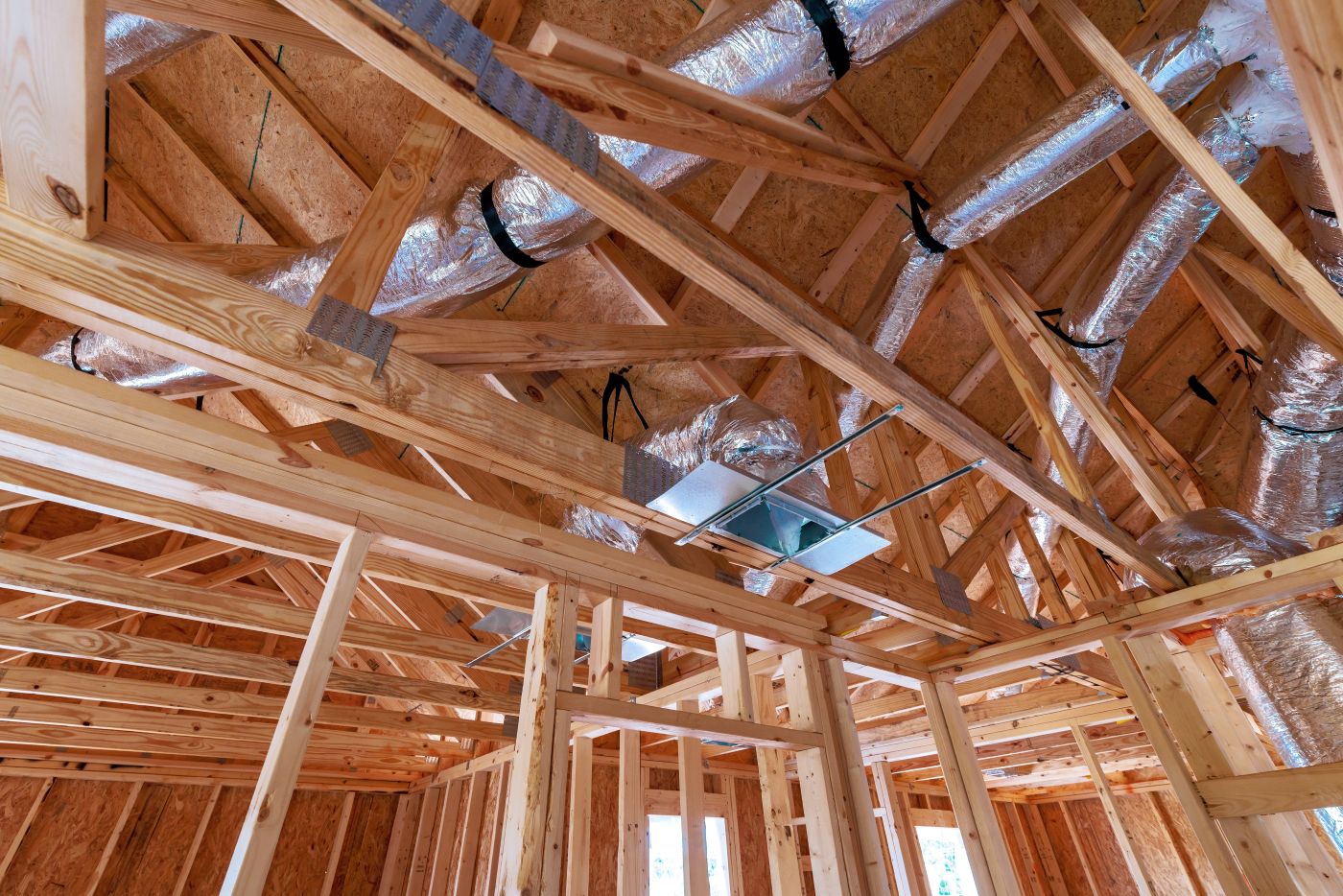
Blocked or restricted ductwork limits how much air can move from the HVAC equipment to the rooms it serves. Restrictions can happen when ducts are crushed, disconnected, poorly routed, blocked by debris, or affected by closed dampers.
A restriction does not need to fully block airflow to create comfort problems. Partially collapsed flex ducts, improperly adjusted dampers, or narrowed duct sections can still reduce airflow enough to leave rooms consistently colder or warmer than the rest of the home.
A duct-related issue often affects specific rooms instead of the whole home. For example, a bedroom at the end of a long duct run may feel colder in winter if the duct path is restricted or leaking before air reaches the vent.
Furniture placement, covered return vents, finished basement modifications, or renovations can also interfere with airflow if return air paths become restricted after layout changes inside the home.
This section is different from duct cleaning. Poor airflow may involve duct condition, duct design, duct leakage, or mechanical restriction, not just dust inside the duct system.
Dirty Filters or Internal System Buildup
A dirty filter reduces the amount of return air entering the HVAC system. When return airflow is restricted, the furnace or AC has to work harder to move air, and the home may heat or cool more slowly.
Filter problems are one of the first checks because they are visible and easy to correct. A filter can restrict airflow even before it looks completely clogged, especially during heavy heating use, wildfire smoke periods, renovation dust, or months with higher indoor dust load. Wildfire smoke can load filters faster than normal household dust because the particles are finer and circulate through the HVAC system more aggressively during extended smoke exposure.
Internal buildup on coils, blower components, or other system parts is different from a basic filter issue. Buildup on the indoor evaporator coil can reduce airflow significantly even when the filter has already been replaced.
If the filter has been replaced and airflow is still weak across the home, the system may need inspection.
Undersized or Aging HVAC Equipment
Undersized equipment may run often but still fail to move enough conditioned air to certain areas of the home. Aging equipment can also lose performance when blower motors, controls, coils, or heat exchange components no longer operate as intended.
Equipment-related airflow problems usually show up across multiple rooms, not just one vent. The system may run longer, struggle during cold snaps or hot days, and fail to recover quickly after thermostat adjustments.
Undersized systems typically affect the entire home because the equipment cannot keep up with heating or cooling demand. Isolated airflow restrictions are more likely to affect individual rooms or sections of the home while the rest of the system appears to operate normally.
Aging blower motors and fan components can also reduce total air movement even if the furnace still produces heat or the air conditioner still cools properly.
Sizing cannot be judged by unit age or square footage alone. Home layout, insulation, duct design, window exposure, basement development, and additions can all affect whether the existing HVAC system can move air properly.
Leaks or Gaps in Duct Systems
Leaks or gaps in duct systems allow heated or cooled air to escape before it reaches the intended rooms. This can reduce comfort, increase energy use, and create uneven air delivery across the home.
Supply-side leaks allow conditioned air to escape before it reaches supply vents. Return-side leaks can pull dust, unconditioned air, or contaminants into the HVAC system from unfinished areas.
Duct leakage is often hidden in basements, crawl spaces, utility areas, walls, or ceiling cavities. A room can have weak airflow even when the furnace or AC is working because part of the air is being lost along the duct path.
Leaks can also pull in air from unfinished areas, which may affect dust movement and comfort. This is one reason airflow issues should not be judged only by how strong the equipment sounds when it runs.
Duct leakage problems often become more noticeable during extreme Alberta temperatures because the system operates longer and loses more conditioned air while trying to maintain indoor temperatures.
Why Poor Airflow Leads to Bigger Problems
Poor airflow matters because the HVAC system depends on steady air movement to transfer heat, remove heat, and operate within normal limits. When airflow drops, comfort problems can turn into efficiency, wear, and indoor air concerns.
Increased Energy Costs
Restricted airflow can increase energy costs because the HVAC system transfers heat or cooling less efficiently when air movement drops. The system may eventually reach the thermostat setting, but it often requires longer runtimes and more energy to do it.
This is especially noticeable when utility bills rise without a clear change in weather, occupancy, or thermostat habits. In that case, airflow should be checked before assuming the equipment needs replacement.
System Wear and Shortened Lifespan
Poor airflow can strain HVAC equipment because the system is forced to operate with less air moving across key components. Over time, this can contribute to overheating heat exchangers, frozen AC coils, blower stress, or repeated service calls.
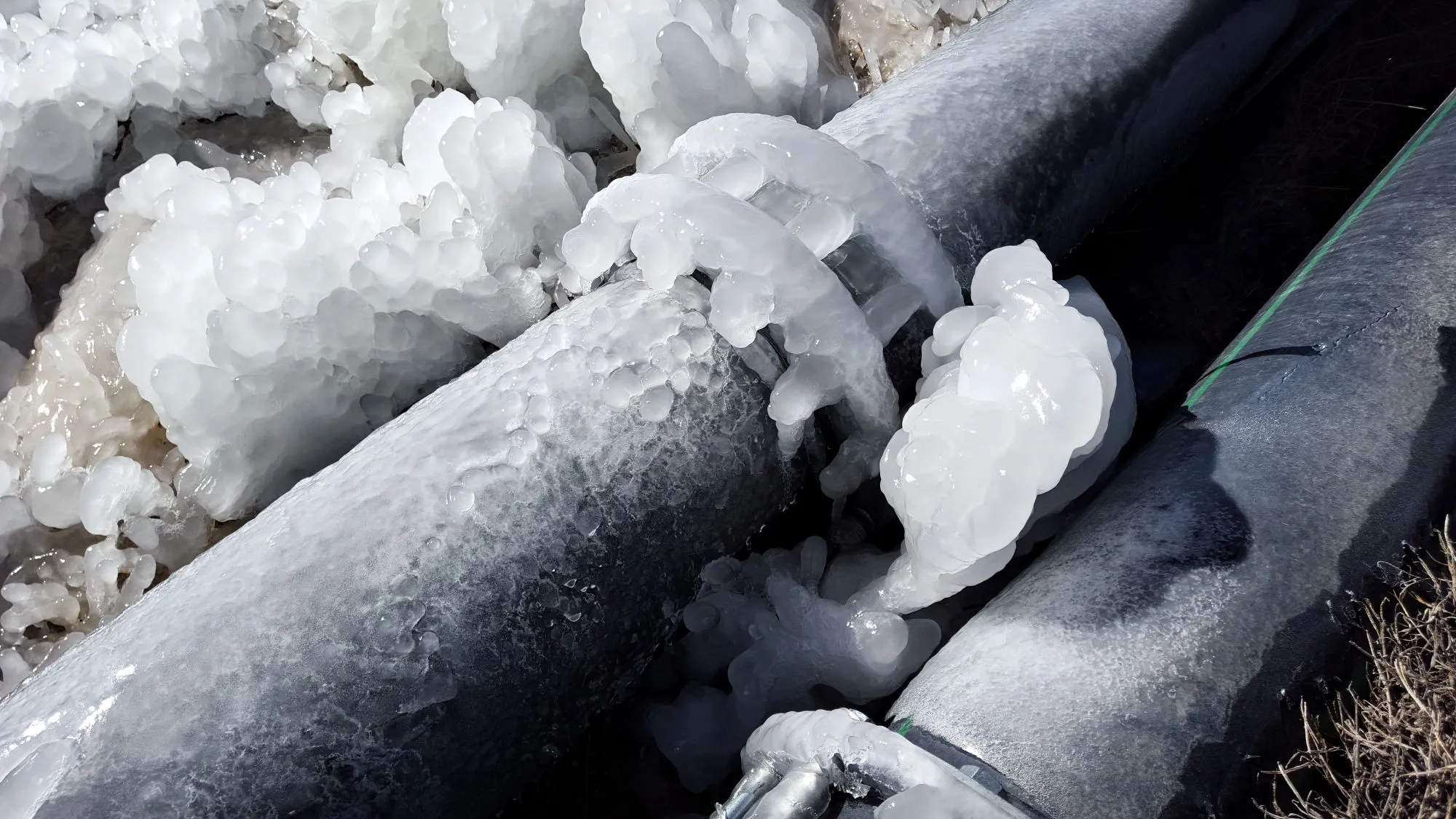
Frozen evaporator coils can develop when insufficient airflow prevents the coil from absorbing and transferring heat properly during cooling cycles.
A single dirty filter may not damage a system immediately, but repeated restriction or ignored airflow problems can shorten equipment life. The risk increases when the system is already older, poorly maintained, or running heavily during Alberta temperature extremes.
Comfort and Air Quality Issues
Poor airflow can leave rooms feeling stuffy, stale, too cold, or too warm because conditioned air is not being distributed evenly. Rooms with low air movement may also feel less comfortable even when the thermostat shows the correct temperature.
Weak airflow can also reduce humidity removal during cooling cycles, which may leave parts of the home feeling damp or humid during summer conditions.
Air quality can also be affected when return air movement is weak or filtration is reduced. Low circulation can allow odors, humidity, dust, and airborne particles to remain trapped in certain rooms longer instead of moving consistently through the HVAC filtration system.
When Poor Airflow Becomes a Service Issue
Poor airflow becomes a service issue when basic checks do not correct the problem, when multiple rooms are affected, or when the system shows signs of strain. The key decision is whether the problem is visible and simple, or hidden inside the HVAC system or ductwork.
Problems You Can Fix Yourself
Homeowners can usually start with checks that do not require tools or system access. Replace the filter, confirm supply vents are open, make sure return vents are not blocked by furniture, and check that the thermostat settings are correct.
These checks are useful when airflow recently changed or one room feels different after furniture was moved, vents were closed, or a filter was left in place too long.
Incorrect filter selection can also reduce airflow. Some high-MERV filters restrict airflow more heavily in HVAC systems that are not designed to handle increased filter resistance.
Homeowners should stop troubleshooting airflow issues themselves when weak airflow continues after filter replacement, when several rooms are affected at the same time, or when the HVAC system begins running noticeably longer than normal.
Do not keep lowering or raising the thermostat to force comfort if airflow is weak. That can make the equipment run longer without fixing the air movement problem.
Problems That Require HVAC Inspection
An HVAC inspection is needed when airflow stays weak after basic checks, when several rooms are affected, when the system runs longer than normal, or when heating and cooling performance changes suddenly.
Inspection is also important if the furnace overheats, the AC coil freezes, the blower produces whining, rattling, or inconsistent startup sounds, or the system short cycles. These signs can point to equipment or airflow restrictions that should not be handled by guesswork.
A technician can separate duct-related issues from equipment-related issues by checking air movement, return air conditions, filter restriction, blower performance, duct condition, and temperature differences across the system. Temperature testing helps identify whether the HVAC system is transferring heat or cooling properly under normal airflow conditions.
HVAC Airflow Diagnostics and Repair in Westlock
All Around Heating & Cooling provides HVAC airflow diagnostics and repair for homeowners in Westlock County and surrounding Alberta communities. Airflow service may involve furnace inspection, AC inspection, filter and return air review, ductwork checks, blower assessment, airflow measurement, static pressure testing, or duct inspection depending on the symptoms present in the home.
Airflow issues should be inspected when comfort problems repeat, when rooms stay uneven after simple checks, or when the system needs longer run times to do the same job. A proper diagnosis helps confirm whether the issue is caused by airflow restriction, duct leakage, equipment performance, or a combination of factors.
Repair recommendations may involve duct sealing, airflow balancing, blower repair, filter adjustments, or equipment evaluation depending on what is limiting airflow throughout the HVAC system.