Alberta’s extreme temperature patterns place unusual stress on residential HVAC systems by combining long cold seasons with sudden temperature swings. For homeowners across Westlock County, these conditions shape how often furnaces and heat pumps run, how efficiently heat reaches each room, and how quickly mechanical parts such as blower motors, ignition assemblies, and compressors wear. That is why All Around Heating & Cooling evaluates each system against climate-specific operating demands rather than generic averages.
Why Temperature Extremes Matter for HVAC Performance
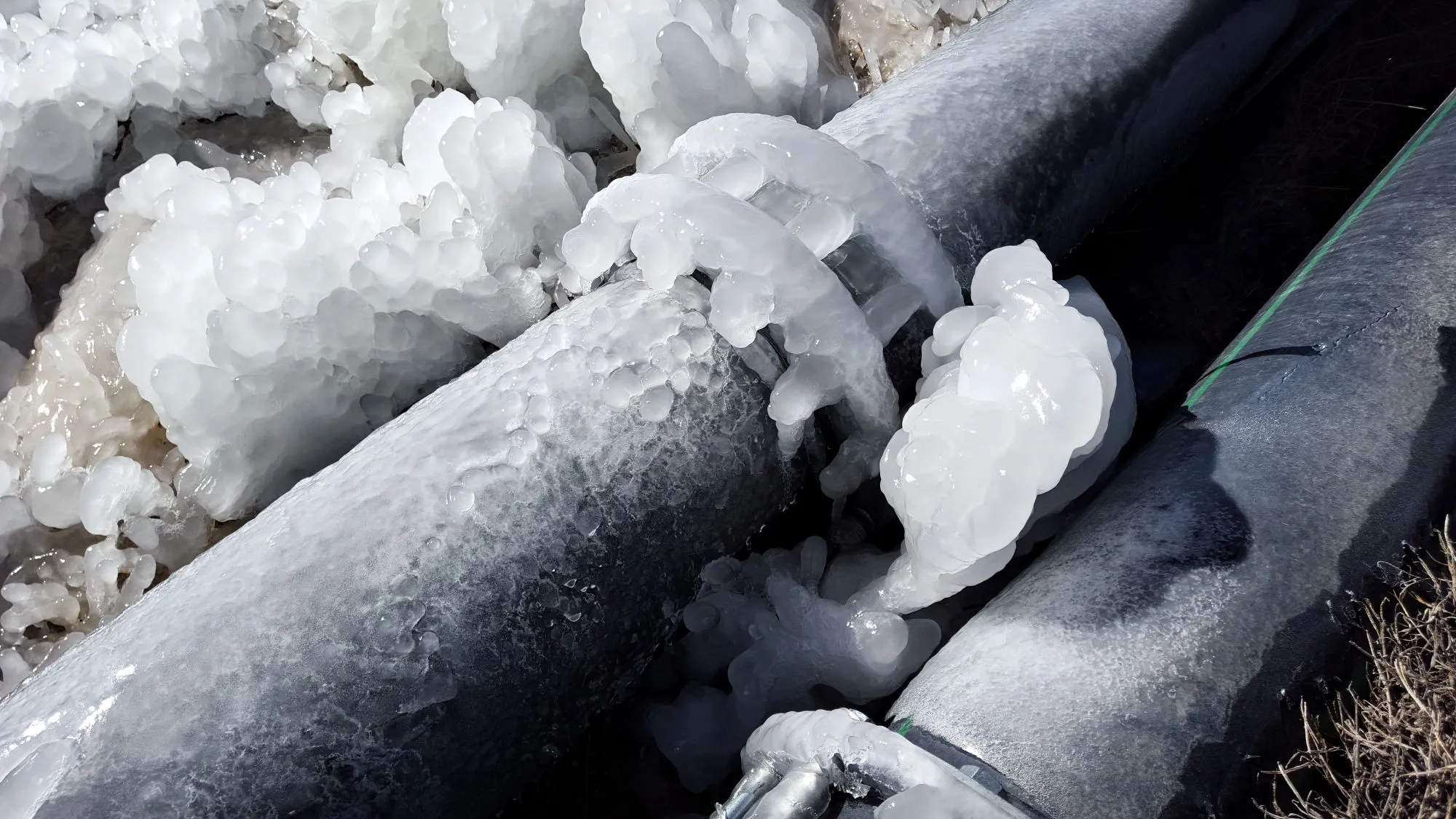
Very low outdoor temperatures widen the gap between indoor and outdoor air, which increases heat loss through walls, windows, ceilings, and air leakage points. A furnace or heat pump then has to run longer to hold the thermostat setpoint, driving up operating hours and energy use. Rapid warm ups or sudden cold snaps force the system to change output frequently, and that constant adjustment lowers efficiency compared with steady heating conditions.
These performance concerns show up most in homes with marginal insulation or air sealing, because the heating system is compensating for building envelope losses. The equipment may be operating normally, yet the heating load placed on it is far higher than the same unit would face in a milder climate.
Prolonged Cold and Furnace Cycling
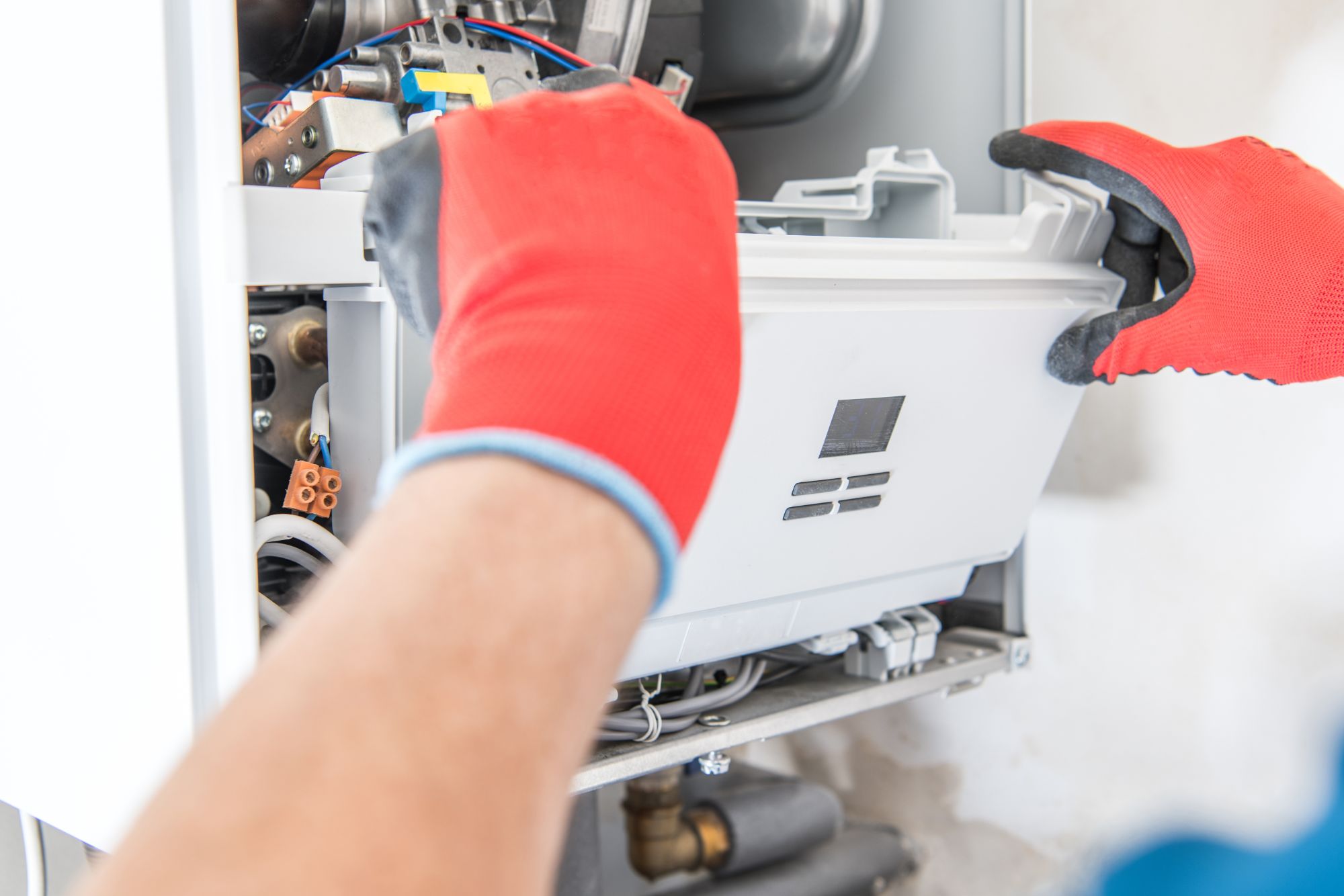
During extended cold periods, furnaces tend to run in longer cycles with shorter off periods between calls for heat. Longer cycles mean bigger heat exchanger temperature swings and sustained blower operation, which adds up to cumulative wear across the heating season. If airflow is restricted or the thermostat signal is inconsistent, the furnace can short cycle instead, and that repeated ignition sequence accelerates wear on the igniter, flame sensor, and limit switch.
Cycling behavior is shaped by thermostat placement, airflow conditions, and system sizing. A correctly sized and properly controlled system should hold stable cycles even in deep cold, while rapid on and off behavior usually points to a control or airflow problem rather than the outdoor temperature alone, and a furnace service visit can pin down which one.
Impact on Compressors and Heat Pumps
For homes that run a heat pump, compressor workload climbs as the outdoor temperature falls. Heat pumps have to pull heat from colder and colder air, which lowers efficiency and stretches runtime. Defrost cycles also happen more often in certain frost and humidity conditions, briefly shifting the system out of heating and into defrost mode.
Very low temperatures can push a heat pump toward its lower operating limit, the point where supplemental or backup heat is needed to keep up. This does not mean the compressor is failing, but it does mean the compressor, reversing valve, and electrical components are working under higher stress than they would in a moderate climate. Pairing a heat pump with dependable heating service keeps that backup stage ready for the coldest stretches.
Airflow Restriction Under High Heating Demand
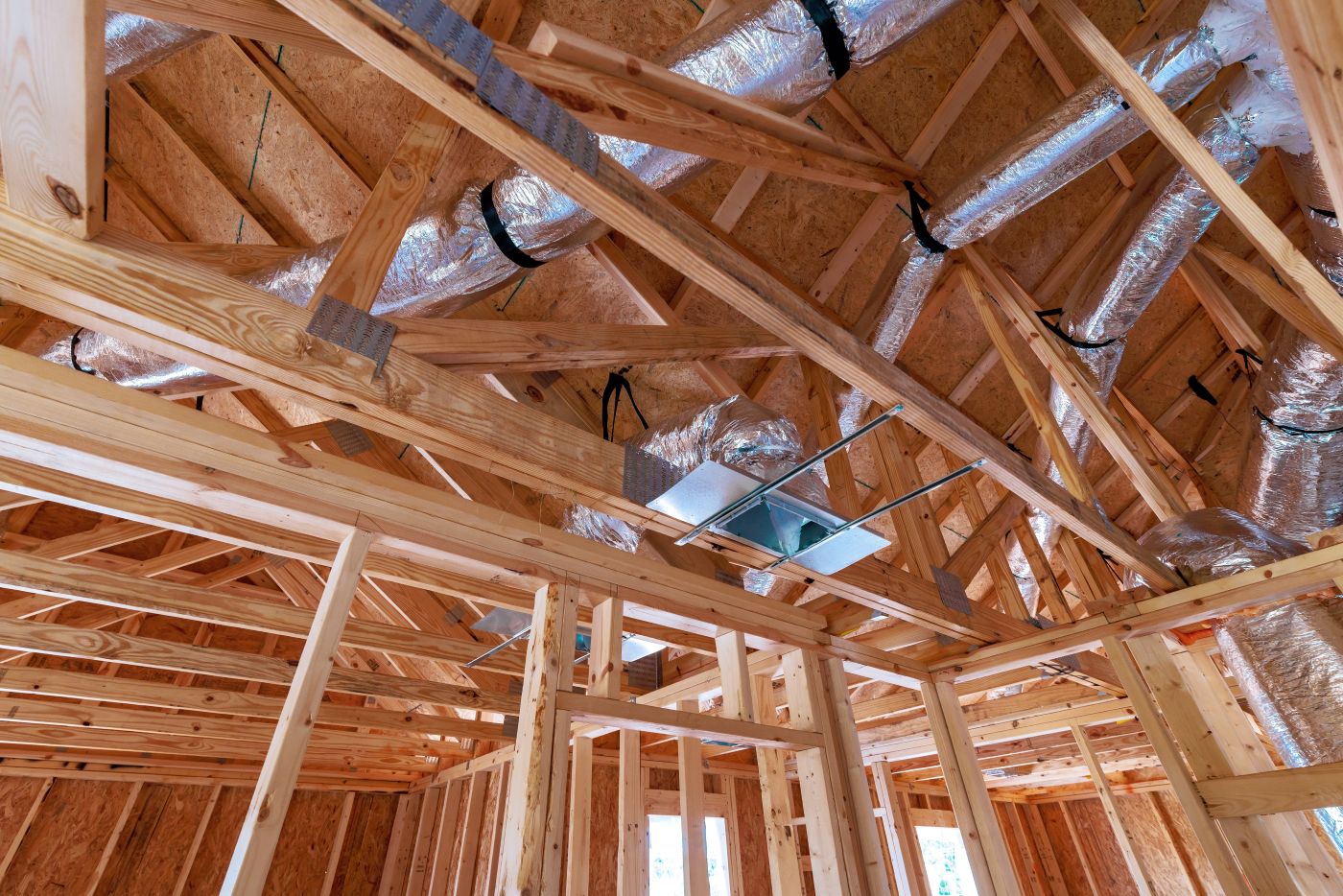
Airflow matters more as heating demand rises. Dirty filters, closed vents, or blocked return air reduce the volume of air moving across the heat exchanger. That can raise internal furnace temperatures, increase cycling frequency, and leave rooms farthest from the furnace feeling cold. Restricted ducts and heavy dust buildup are common culprits, and in some homes a duct cleaning clears the restriction.
High demand conditions also expose existing duct design limits. Rooms that are already marginal for airflow show greater temperature imbalance during extreme cold, even when furnace output has not changed. Correcting static pressure and return air problems usually does more for comfort than simply raising the thermostat.
Insulation and Building Envelope Factors
Insulation levels, window performance, and air sealing decide how much heat the HVAC system has to replace. In Alberta, small deficiencies in attic insulation or air leakage can add up to a large amount of extra heating load over a long winter. A system can look undersized when the real issue is heat escaping through the building envelope.
Improving insulation or air sealing lowers runtime and cycling stress, which can extend equipment life indirectly by cutting total operating hours each season. It also steadies room to room temperatures, so the furnace or heat pump is not fighting a losing battle against a leaky envelope.
Energy Use and System Lifespan
Longer runtimes and heavier loads push up seasonal energy consumption. Over several winters, those extra operating hours in a cold climate wear out blower motors, ignition components, and compressors sooner than the same equipment would in a milder region. Lifespan still depends on maintenance, installation quality, and airflow, but climate driven runtime is a steady background factor in every Westlock County home.
Monitoring performance, clearing airflow restrictions, and correcting control issues cut down on unnecessary stress. Regular system checks by All Around Heating & Cooling confirm whether equipment behavior is simply climate related or caused by a correctable fault before it shortens the life of the system.
When to Have Your System Assessed
An assessment makes sense if you notice longer heating times, more frequent cycling, uneven temperatures between rooms, or a sharp jump in energy use compared with past winters. These signs often reflect the interaction between extreme outdoor cold and system constraints rather than a single failed part. A complete loss of heat in deep cold is a different situation, and that calls for emergency HVAC service right away.
If performance changes come on suddenly, or you notice burning smells, unusual noises, or safety concerns, use the service contact page to arrange an inspection so operating issues are caught before they turn into a mid-season breakdown.