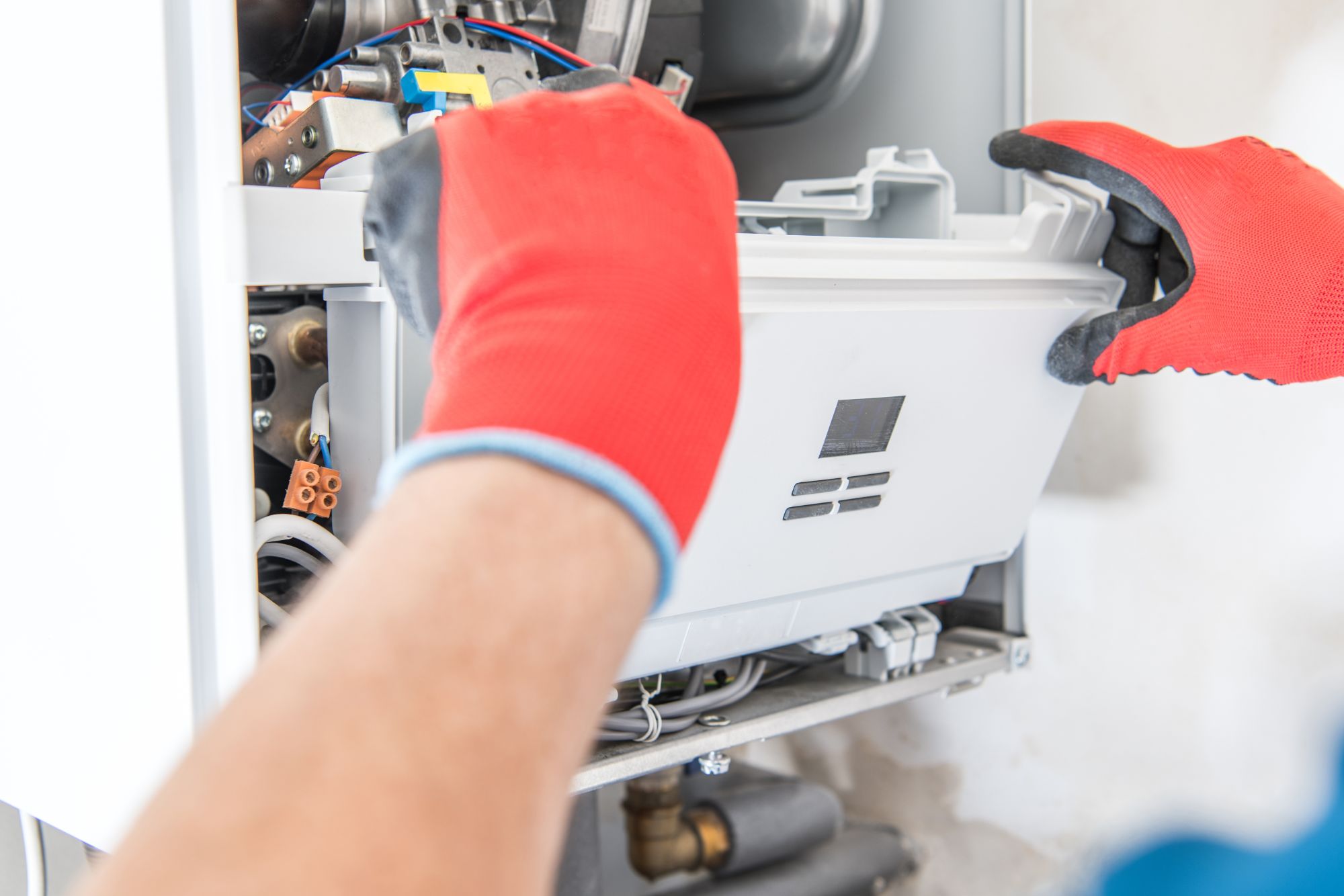
Why your furnace keeps turning on and off often comes down to a condition known as short cycling. Instead of completing a normal heating cycle, the furnace starts, runs briefly, shuts off, and then restarts again shortly afterward. This behavior can increase energy consumption, accelerate equipment wear, and lead to heating problems during cold Alberta winters. All Around Heating & Cooling helps homeowners in Westlock understand what short cycling means, what causes it, and when it requires professional furnace repair.
What Short Cycling Means for Your Furnace
A properly functioning furnace should run long enough to raise the home's temperature to the thermostat setting before shutting down. While cycle lengths vary depending on weather conditions, furnace size, and home efficiency, a furnace that repeatedly starts and stops within a few minutes may be experiencing short cycling.
Some homeowners first notice the issue when the furnace appears to be constantly turning on and off throughout the day. Others notice uneven temperatures, rooms that never feel fully warm, or unexpectedly high heating bills.
Short cycling is not a specific furnace failure. It is a symptom that can be caused by several different mechanical, airflow, sizing, or control problems. Identifying the underlying cause is important because different issues require different repairs.
Depending on the cause, the furnace may shut off before reaching the thermostat setting or may satisfy the thermostat unusually quickly and restart again shortly afterward. Understanding this distinction helps narrow down the source of the problem.
Common Causes of Furnace Short Cycling
Several furnace components and operating conditions can cause short cycling. Some issues are relatively simple to address, while others require professional diagnosis and repair.
Thermostat Placement or Calibration Issues
The thermostat controls when the furnace starts and stops. If it receives inaccurate temperature readings, the furnace may cycle improperly. A thermostat installed near a supply register, exterior door, direct sunlight, or another heat source can reach the desired temperature before the rest of the home. This can cause the furnace to shut off early even though other rooms remain cold.
Calibration problems, wiring issues, or failing thermostat components can create similar symptoms. Certain thermostat settings can also contribute to cycling behavior. Aggressive setback schedules, incorrect operating modes, or programming errors may create patterns that resemble equipment-related short cycling.
When thermostat-related problems are responsible, correcting settings or relocating the thermostat may resolve the issue without major furnace repairs.
Overheating from Restricted Airflow
Restricted airflow is one of the most common causes of furnace short cycling. When insufficient air moves through the heat exchanger, internal temperatures rise faster than intended. A safety device known as the high-limit switch may shut the furnace down to prevent overheating. Once the furnace cools sufficiently, the switch resets and the heating cycle begins again.
Common airflow restrictions include:
- Dirty furnace filters
- Closed or blocked supply registers
- Obstructed return air vents
- Blower motor problems
- Dirty evaporator coils in homes with central air conditioning
While a clogged filter is often the first item to check, airflow restrictions can originate elsewhere in the system. Some situations require professional inspection of blower components, ductwork, or airflow performance.
Furnace Oversized for the Home
An oversized furnace produces more heat than the home requires during normal operation. Because the furnace heats the space quickly, the thermostat reaches its target temperature sooner than expected. The furnace shuts off, indoor temperatures begin to fall, and the system restarts again.
Oversizing is different from a mechanical malfunction. The furnace itself may be operating correctly, but its heating capacity exceeds the home's actual demand.
One of the key differences is timing. Oversized furnaces often exhibit short cycling patterns from the time they are installed. Mechanical failures, by contrast, typically develop after a period of normal operation. Homes with a history of frequent short cycles since installation may warrant evaluation for furnace sizing issues.
Flame Sensor or Ignition Problems
Modern furnaces monitor burner operation using safety controls. If the system cannot verify proper ignition, it may shut down shortly after startup. A dirty flame sensor can prevent the furnace from confirming burner operation even when flames are present. Ignition component failures, control board issues, or gas delivery problems can create similar shutdown patterns.
These issues often produce short run times where the furnace starts but shuts off before meaningful heating occurs. This differs from airflow-related short cycling, where the furnace may run for several minutes before overheating and shutting down.
Why Short Cycling Is a Serious Problem
Short cycling affects more than comfort. Repeated starts and stops place additional stress on furnace components and reduce overall operating efficiency.
Increased Wear on Furnace Components
Every startup cycle places stress on electrical and mechanical components. The inducer motor, blower motor, ignition system, gas valve, relays, and control board all experience increased wear when forced to cycle repeatedly.
The severity depends on how frequently the short cycling occurs. A furnace that occasionally short cycles may experience limited impact, while a furnace cycling repeatedly throughout the day can experience significantly accelerated component wear.
Higher Energy Bills and Inefficiency
Furnaces operate most efficiently when they complete normal heating cycles.
Short cycling causes the system to repeatedly consume energy during startup while delivering less useful heating. Ignition sequences, blower startup periods, and repeated heating cycles increase energy consumption without providing sustained heat output. Homeowners frequently notice rising heating costs even though the furnace appears to run constantly.
Risk of Full System Failure in Winter
Some causes of short cycling are relatively minor, while others indicate developing mechanical failures. Continued operation without addressing the underlying problem can contribute to premature blower motor wear, ignition system failures, limit switch problems, and control board damage. If a critical component fails during severe winter weather, the home may lose heat entirely until repairs can be completed.
How to Identify the Cause in Your Home
Certain symptoms can help narrow down the likely source of short cycling. While these observations do not replace professional diagnosis, they can help homeowners understand what may be occurring.
SymptomPossible CauseSeverityActionFurnace shuts off within a few minutes and restarts repeatedlyRestricted airflow or overheatingModerate to HighSchedule service promptlyFurnace starts but burners shut down quicklyFlame sensor or ignition problemHighSchedule service immediatelyFurnace reaches thermostat setting unusually fastOversized furnaceModerateArrange evaluationSome rooms remain cold while thermostat is satisfiedThermostat placement issueModerateInspect thermostat locationDirty filter and frequent cyclingAirflow restrictionModerateReplace filter and monitorBurning smell or unusually hot furnace cabinetOverheating conditionHighStop using furnace and call for service
A brief burning dust smell may occur when a furnace starts for the first time during the heating season. Persistent burning odors, overheating smells, or signs of excessive heat are not considered normal and warrant investigation. If multiple symptoms occur simultaneously, professional diagnosis is typically the safest approach.
When Short Cycling Requires Immediate Repair
Short cycling should not always be treated as an emergency, but certain situations warrant immediate attention.
Stop using the furnace and arrange professional service if you notice:
- Burning odors that persist after startup
- Repeated overheating shutdowns
- Ignition failures or burner problems
- Unusual noises during startup or shutdown
- Furnace cabinets becoming excessively hot
- Lack of reliable heat during freezing temperatures
- The smell of natural gas near the furnace or gas piping
Combustion-related problems, ignition failures, and gas odors require prompt professional attention. If a gas smell is present, homeowners should follow appropriate gas safety procedures and contact emergency service providers when necessary.
These conditions can indicate problems that may worsen if the furnace continues operating.
If the furnace is still producing heat but short cycling occasionally, scheduling an inspection before the problem progresses is often the most cost-effective approach.
Furnace Repair Services in Westlock for Short Cycling Issues
Furnace short cycling can result from thermostat problems, airflow restrictions, equipment sizing issues, ignition failures, or developing component malfunctions. While some causes are relatively minor, others can increase wear, reduce efficiency, and create a higher risk of winter breakdowns.
Many of these problems produce similar symptoms even though the required repairs differ significantly. Airflow restrictions, ignition failures, thermostat issues, and oversized equipment can all create short cycling behavior, making accurate diagnosis an important part of the repair process.
Determining whether the issue involves airflow, controls, ignition, or equipment sizing is the first step toward an effective repair. Because multiple problems can create similar symptoms, professional diagnosis is often necessary to identify the actual cause.
All Around Heating & Cooling provides furnace repair services in Westlock for homeowners experiencing short cycling, heating performance issues, and furnace reliability concerns throughout the heating season.