Cold-climate air-source heat pumps can provide effective heating in Alberta, but not every model can carry a Westlock home through extreme cold without backup. The result depends on low-temperature capacity, the home’s heating load, and how the system handles temperatures below its balance point. All Around Heating & Cooling serves Westlock homes where heating equipment must be selected for Alberta winter conditions.
How Heat Pumps Perform in Cold Temperatures
An air-source heat pump absorbs heat from the outdoor air and transfers it indoors. Outdoor air still contains usable heat below 0°C, so efficiency does not disappear as soon as temperatures reach freezing. However, the system has less available heat to collect while the home’s heating demand increases.
What Happens to Efficiency Below Freezing
Heat pump efficiency generally declines as the outdoor temperature falls. The compressor works harder, available heating capacity decreases, and periodic defrost cycles use part of the system’s energy.
Performance is commonly expressed through coefficient of performance, or COP. A COP of 2 means the system delivers two units of heat for each unit of electricity consumed. A COP above 1 indicates that the heat pump delivers more heat than electric resistance heating would produce from the same electrical input.
There is no fixed percentage of efficiency loss that applies to every heat pump. Homeowners should compare each model’s published COP and heating capacity at several temperatures, including -8°C, -15°C, and the lowest temperature relevant to the property. Mild-weather efficiency ratings alone do not show how the unit will perform during a Westlock cold snap.
Cold Climate Heat Pump Technology Explained
Cold-climate air-source heat pumps use variable-speed compressors, improved refrigerant controls, larger heat exchangers, and low-temperature operating logic. Instead of running only at full output or shutting off, the compressor adjusts its speed to match changing heating demand.
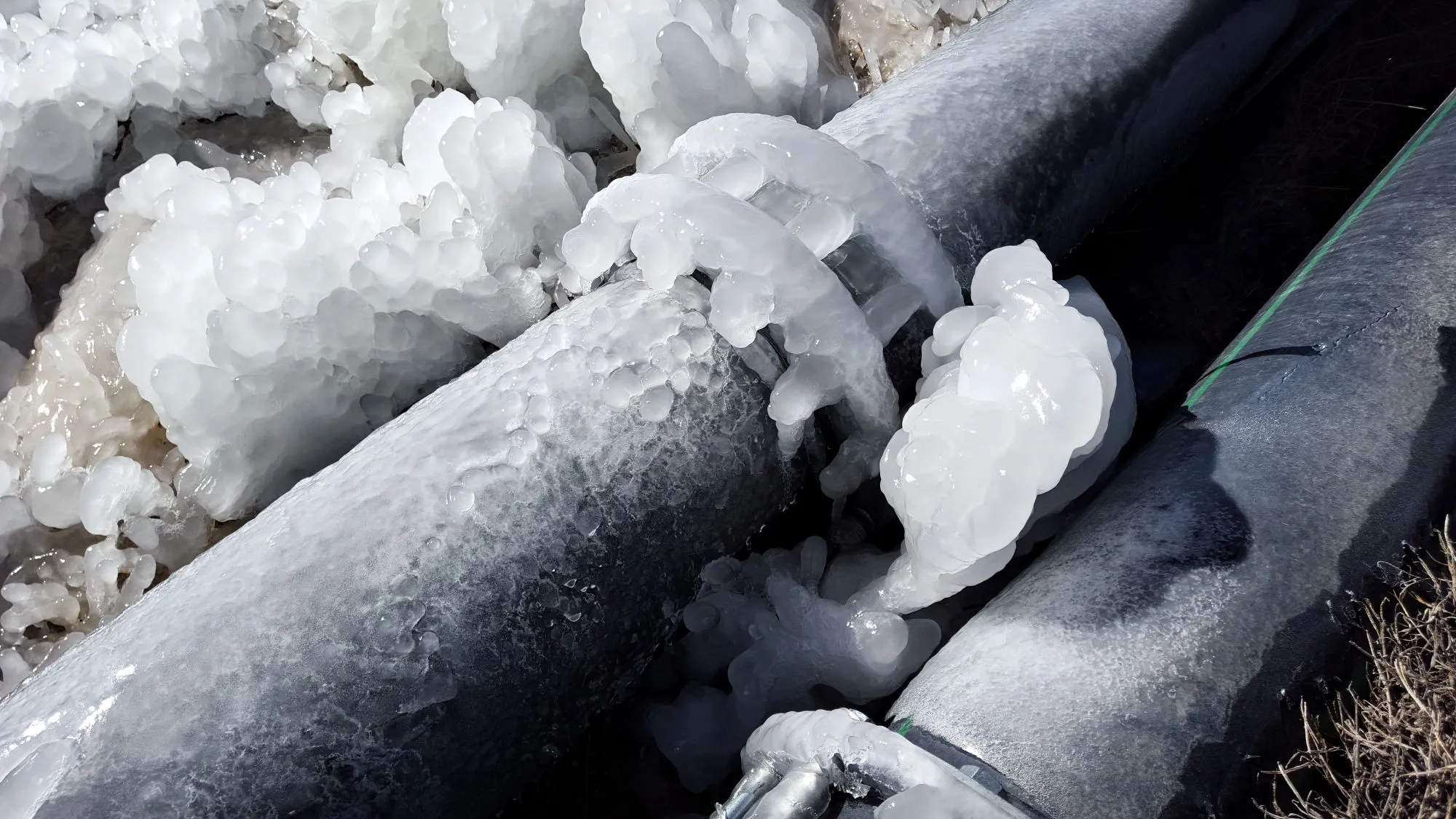
The outdoor coil collects frost during cold, damp conditions. Therefore, the system periodically enters a defrost cycle to remove the buildup. Heating output pauses or decreases briefly during this cycle, but normal operation resumes after the coil clears.
“Cold climate” should describe verified low-temperature performance rather than function as a general marketing label. The selected model should have published capacity, COP, and operating data at sub-zero temperatures. The indoor and outdoor components must also form an approved matched system.
Temperature Limits and When Performance Drops Off
Three different temperature thresholds affect heat pump decisions. The minimum operating temperature is the manufacturer’s lowest approved outdoor temperature. At or below that limit, the compressor could lock out to protect the equipment.
The thermal balance point occurs earlier if the home’s heating demand exceeds the heat pump’s available output. The unit continues operating below this point, but it requires supplemental heat to maintain the indoor setting.
The economic balance point is the temperature where another heating source becomes less expensive to operate. It depends on electricity rates, fuel prices, heat pump COP, and furnace efficiency. Therefore, it does not necessarily match the thermal balance point.
Realistic Operating Range in Alberta Winters
Many modern cold-climate heat pumps have published operating limits near -25°C, while some models carry ratings approaching -30°C. Reaching that temperature rating means the equipment remains capable of operating. It does not prove that the unit still produces enough heat for the entire home.
A property with low heat loss might remain within the heat pump’s capacity across most winter conditions. In contrast, a larger or less efficient home could reach its thermal balance point at a much milder temperature, even with the same equipment.
Continuous operation during prolonged cold weather is not automatically a sign of failure. Variable-speed heat pumps are designed to run for extended periods when demand is high. Reliability depends on the unit remaining within its rated range, completing defrost cycles properly, and receiving backup support when its capacity no longer matches the heating load.
When a Backup Heating Source Becomes Necessary
Backup heat becomes necessary when the selected heat pump cannot meet the home’s calculated load at the local winter design temperature. This design temperature is a statistically based low temperature used for equipment sizing. It is not the coldest temperature ever recorded in the region.
If the heat pump remains operational at the design temperature, supplemental heat only needs to cover the difference between its output and the building load. However, if the compressor locks out at or above that temperature, the backup source must be capable of carrying the full load.
Electric resistance elements often operate alongside a heat pump as supplemental heat. A furnace in a hybrid system generally serves as an alternate or staged heating source, depending on the controls and equipment configuration. In either case, the operating sequence must activate backup before the home begins losing temperature.
Heat Pump vs Furnace in Cold Weather Conditions
A furnace generates heat through combustion or electric resistance. Its available heating output is less sensitive to outdoor temperature, although the home’s heating demand still rises as conditions become colder.
A heat pump transfers heat from outside. It often uses less electricity than resistance heating during moderate conditions, but its capacity and COP decline with temperature. Supply air also tends to feel cooler than air from a furnace, even when the heat pump maintains the correct room temperature.
Both systems normally require electricity for controls, fans, and air distribution. Therefore, a gas furnace should not be treated as heating protection during a power outage unless the home has a properly designed backup power source.
The cold-weather tradeoff is between stable furnace output and declining heat pump performance. Operating cost depends on the heat pump’s actual COP, the furnace’s efficiency, and current electricity and fuel rates. A system should be judged at the temperatures where the home requires the most heat, not only by its seasonal rating.
When a Heat Pump Makes Sense in Westlock Homes
A heat pump makes sense when its published low-temperature output aligns with the home’s heating load and the property supports the required equipment. The assessment should also identify how the home will remain heated when temperatures move below the thermal balance point.
Homes Best Suited for Heat Pump Systems
Well-insulated and air-sealed homes have lower heating loads. As a result, a heat pump covers a larger portion of the winter before supplemental heat becomes necessary. Upgraded windows, adequate attic insulation, and controlled air leakage all reduce the output required from the equipment.
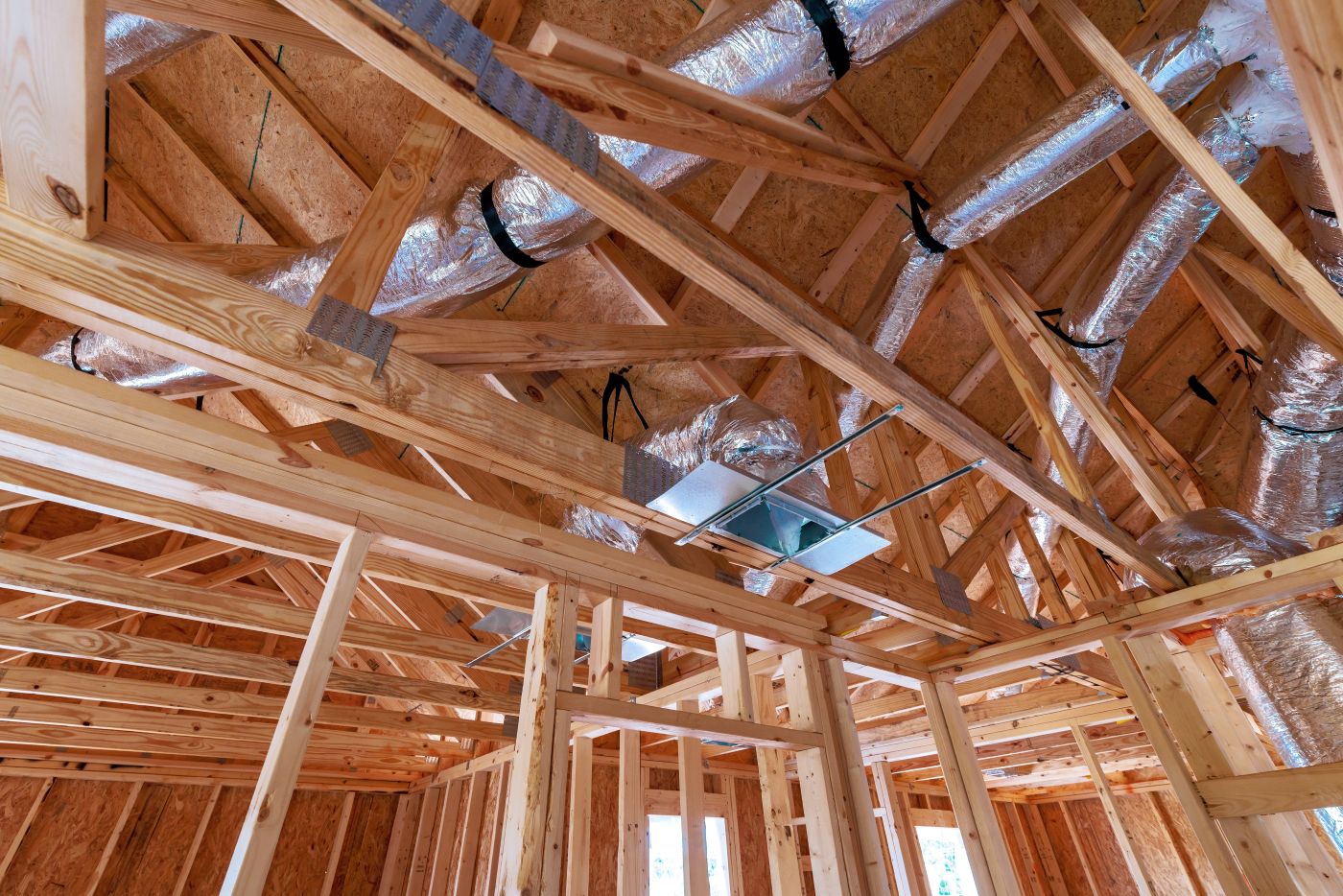
Ducted systems also depend on adequate airflow. Existing ducts must be properly sized, reasonably sealed, and balanced to deliver heat throughout the home. Ductless systems avoid central duct limitations, but the indoor-unit layout must reach the rooms that require heating.
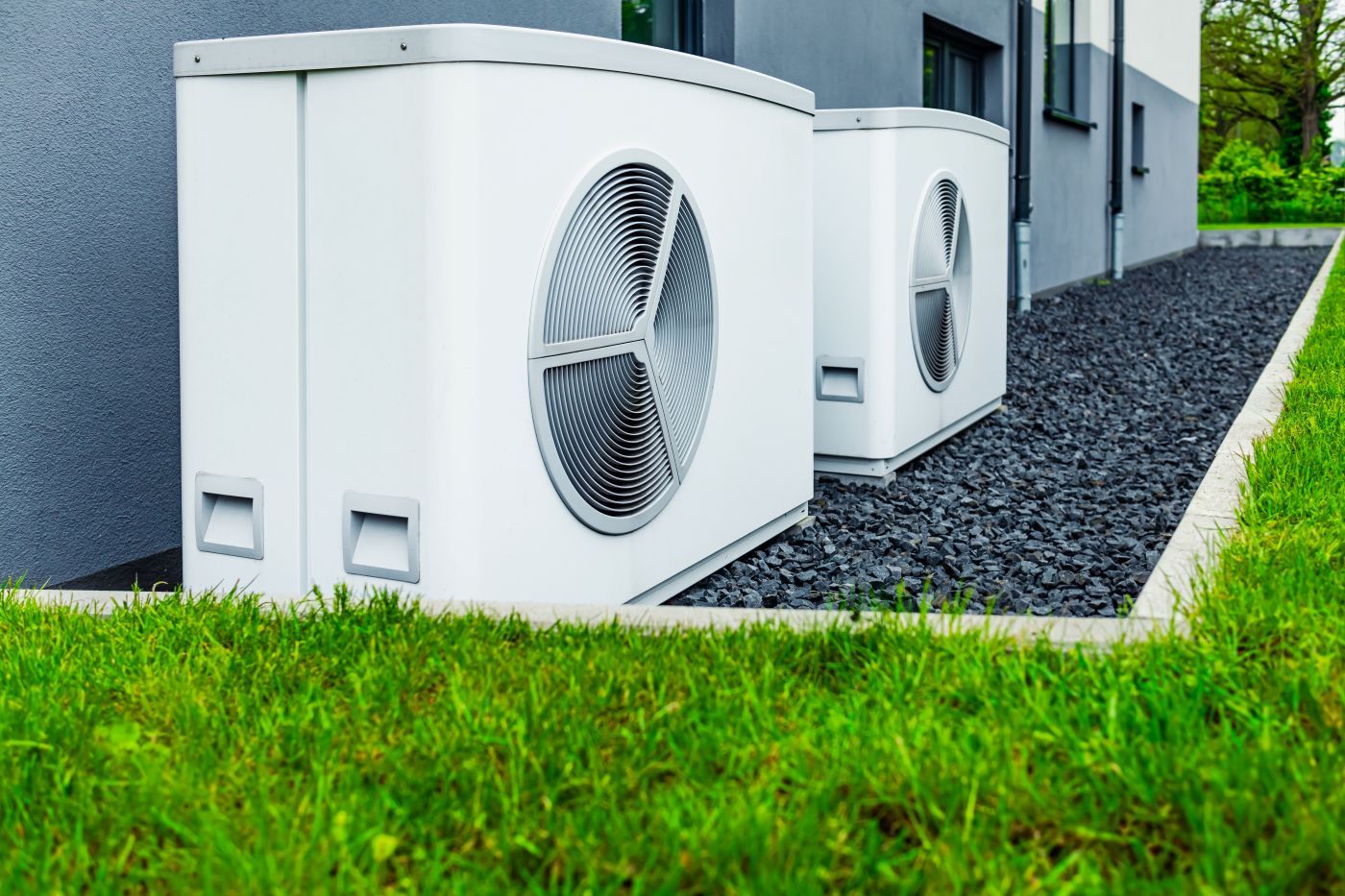
The outdoor unit needs sufficient airflow, clearance above expected snow accumulation, and a stable location for defrost-water drainage. Restricted airflow, buried equipment, or repeated refreezing around the base interferes with winter operation.
An existing furnace creates a potential hybrid option only when its condition, blower capacity, control system, and available space support the required indoor coil. The home’s electrical service must also support the heat pump and any electric auxiliary heating included in the design.
Situations Where Heat Pumps Fall Short
Heat pumps fall short when the selected equipment cannot supply enough heat at the property’s design conditions. A high heating load does not automatically disqualify the home, but it could require envelope improvements, multiple units, or substantial backup capacity.
Model selection also fails when it relies only on nominal size or mild-weather ratings. Two units with similar rated capacity at 8°C could produce different amounts of heat at -15°C or -25°C.
Heavy dependence on electric resistance backup reduces the economic benefit of heat pump operation. The effect depends on how early auxiliary heat starts, how much capacity it supplies, the duration of extreme cold, and local electricity rates.
Physical constraints also matter. Limited electrical capacity, unsuitable ductwork, inadequate outdoor clearance, or no practical drainage location could make a proposed system unreliable or require additional work before it becomes viable.
Hybrid Heating Systems: Combining Heat Pumps with Furnaces
A hybrid system pairs an electric heat pump with a furnace. The heat pump handles conditions within its efficient operating range, while the furnace supplies heat when the system reaches its programmed switchover point.
Some hybrid systems alternate completely between the heat pump and furnace. Others use staged or supplemental operation when the equipment and controls permit it. The correct sequence depends on the system design rather than a universal control method.
The switchover setting should reflect the previously established thermal or economic balance point. A capacity-based setting prioritizes maintaining the required output. An economic setting changes sources when furnace operation becomes less expensive than continued heat pump use.
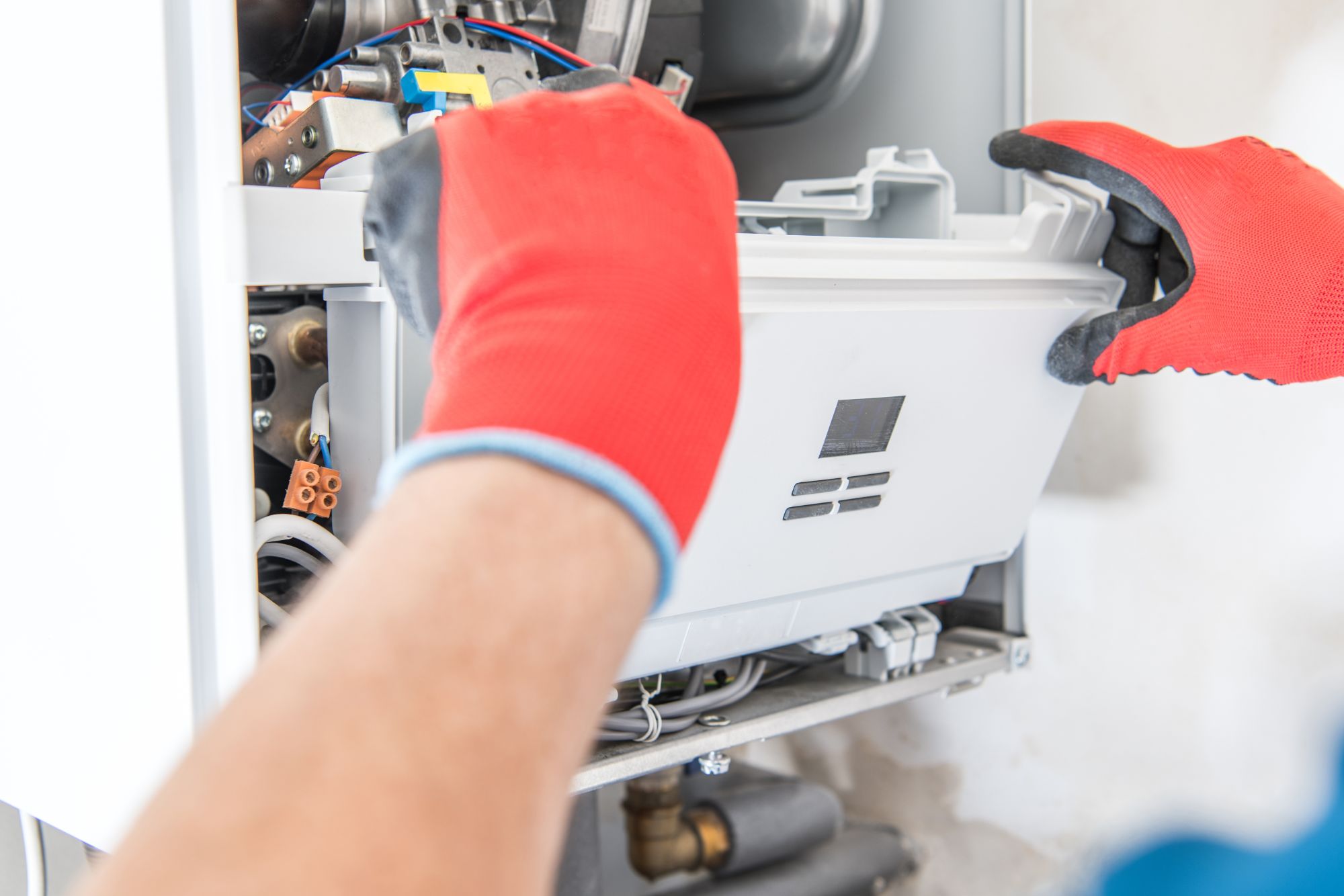
Existing equipment must be checked before assuming a furnace can remain in place. Furnace condition, blower performance, indoor coil fit, control compatibility, venting, and available electrical service all influence whether the combination will operate correctly.
For a Westlock home with a compatible gas furnace and suitable electrical service, hybrid heating provides more capacity during extreme cold without requiring the furnace to handle every winter condition. It is less appropriate when the existing furnace is near replacement, the equipment cannot integrate properly, or the heat pump would run for too little of the heating season to justify the system.
Choosing the Right Heating System for Alberta Winters
A heat pump can fully replace a furnace when the complete all-electric system meets the home’s calculated heating load at the local design temperature. That system might include auxiliary electric heat even if the heat pump compressor covers most annual heating demand. Removing the furnace does not mean the property should operate without a backup capacity plan.
A hybrid system is more capacity-resilient when the heat pump performs well through typical winter weather but cannot carry the peak load during extreme cold. Furnace-centred heating remains practical when the property has a high heating load, limited electrical capacity, unsuitable equipment space, or other constraints that prevent reliable heat pump operation.
All Around Heating & Cooling provides heating services in Westlock, including heater installation, maintenance, repair, and replacement. Homeowners interested in a heat pump should confirm the available equipment and service scope before making a final system decision.
Property conditions and existing equipment can be reviewed through All Around Heating & Cooling’s Westlock County HVAC services. The final choice should provide enough low-temperature capacity to maintain the home without depending on performance that the selected equipment cannot deliver.