AC repair vs replacement becomes important when a cooling system no longer feels reliable, affordable, or efficient to keep fixing. A single repair may solve an isolated problem, but repeated failures, rising energy use, poor cooling, or aging equipment can make replacement the more practical decision. All Around Heating & Cooling helps homeowners in Westlock compare repair cost, system age, part availability, and cooling performance before deciding whether to fix the existing AC or replace it.
When AC Repairs Start Costing More Than They Should
AC repairs start costing more than they should when the repair no longer protects the remaining value of the system. The issue is not only the invoice amount, but whether the repair restores dependable cooling long enough to justify the cost.
A lower repair cost may still be a poor decision if the system is near the end of its service life, uses outdated parts, or has already needed multiple service calls. A higher repair cost may be reasonable on a newer system if the problem is isolated and the rest of the equipment is in good condition.
The Point Where Repair Costs No Longer Make Sense
A common replacement threshold is when a repair costs roughly 30% to 50% of the cost of a new AC system, especially if the unit is older or already showing performance decline. This guideline is widely used because it helps account for both immediate repair costs and the likelihood of future failures.
For an older air conditioner, a major compressor, evaporator coil, condenser coil, or refrigerant-related repair can quickly exceed practical repair value. For a newer system, the same repair may still be justified if the equipment has substantial remaining service life and no history of repeated failures.
How Frequent Breakdowns Signal System Decline
More than one significant AC repair during a cooling season is often a sign that overall system reliability is declining. Repeated breakdowns involving different components usually indicate broader equipment wear rather than a single isolated defect.
Frequent repairs also create uncertainty during peak summer conditions. Even if each repair cost appears manageable on its own, repeated service calls, lost cooling time, and increasing repair frequency may make replacement the more practical long-term decision.
Key Factors That Determine Repair vs Replacement
The decision to repair or replace an air conditioner depends on more than the immediate repair estimate. System age, operating efficiency, cooling performance, parts availability, and future reliability all influence whether additional repairs remain financially justified.
A repair is generally easier to justify when the system is newer, efficient, and experiencing an isolated failure. Replacement becomes easier to justify when several negative factors begin occurring at the same time.
System Age and Expected Lifespan in Alberta
Most residential air conditioners operate for approximately 10 to 15 years, although actual lifespan varies depending on installation quality, maintenance history, operating conditions, and environmental exposure. Alberta's shorter cooling season can reduce annual operating hours compared to warmer climates, but temperature swings, weather exposure, and seasonal shutdown periods still place stress on equipment.
An older air conditioner does not automatically require replacement. Age becomes more significant when it is accompanied by expensive repairs, declining cooling performance, increasing noise, or difficulty maintaining indoor temperatures.
Energy Efficiency and Rising Operating Costs
Older air conditioning systems often require more electricity to provide the same cooling performance, particularly when components begin to wear or lose efficiency. Higher utility bills can make continued repairs less attractive if the system requires longer operating cycles or struggles to maintain comfortable temperatures.
Modern air conditioners are generally more efficient than systems installed 10 to 20 years ago, although actual savings vary depending on system sizing, ductwork condition, thermostat settings, insulation levels, and household usage patterns. Efficiency improvements should support the replacement decision rather than determine it by themselves.
Availability of Parts and Refrigerant Issues
Parts availability can significantly affect whether repairing an older air conditioner remains practical. If critical components become discontinued, difficult to source, or unusually expensive, repair costs may exceed the value of the system's remaining lifespan.
Refrigerant availability can create similar challenges. Older refrigerants may become increasingly expensive or difficult to obtain, making leak repairs substantially more costly. In these situations, the decision often depends on whether the leak can be repaired reliably and whether future refrigerant availability remains realistic.
Repair vs Replacement Cost Comparison
Repair and replacement costs vary considerably depending on equipment age, the failed component, and the overall condition of the system. The comparison below illustrates situations where repairs commonly remain justified and where replacement often becomes the more practical long-term investment.
These comparisons serve as practical decision guidelines rather than strict rules. The most cost-effective decision depends on the combined impact of repair history, equipment age, operating costs, and expected remaining service life.
Situations Where Repair Still Makes Sense
Repair remains the better financial decision in many situations, particularly when the air conditioner still has substantial useful life remaining. The following conditions commonly support repairing an existing system rather than replacing it.
- The air conditioner is relatively new.
- The repair cost represents a small percentage of replacement cost.
- The failure involves a single replaceable component.
- Cooling performance was otherwise satisfactory before the breakdown.
- Replacement parts remain readily available.
- The system is properly sized for the home.
- Replacement is already planned within the near future.
Temporary repairs can sometimes make financial sense when they safely restore cooling while allowing homeowners to plan for eventual replacement. They become less practical when delaying replacement increases the risk of additional component failures. Homeowners comparing their options can review available air conditioning services before making a long-term decision.
Situations Where Replacement Is the Better Long-Term Move
Replacement generally becomes the stronger option when several warning signs occur simultaneously. The following conditions often indicate that continued repairs are unlikely to provide good long-term value.
- The system is approaching or exceeding its expected lifespan.
- Repair costs approach 30% to 50% of replacement cost.
- Multiple repairs have been required within a short period.
- Cooling performance remains inconsistent or inadequate.
- Operating costs have increased substantially.
- Major components are difficult or expensive to source.
- Refrigerant issues make future repairs increasingly costly.
- The existing system no longer matches the home's cooling requirements.
Replacement typically becomes the stronger financial decision when several of these factors occur together. The objective is not to replace equipment simply because it is older, but to avoid continued investment in equipment with declining reliability and increasing ownership costs.
How Alberta's Climate Accelerates AC Wear
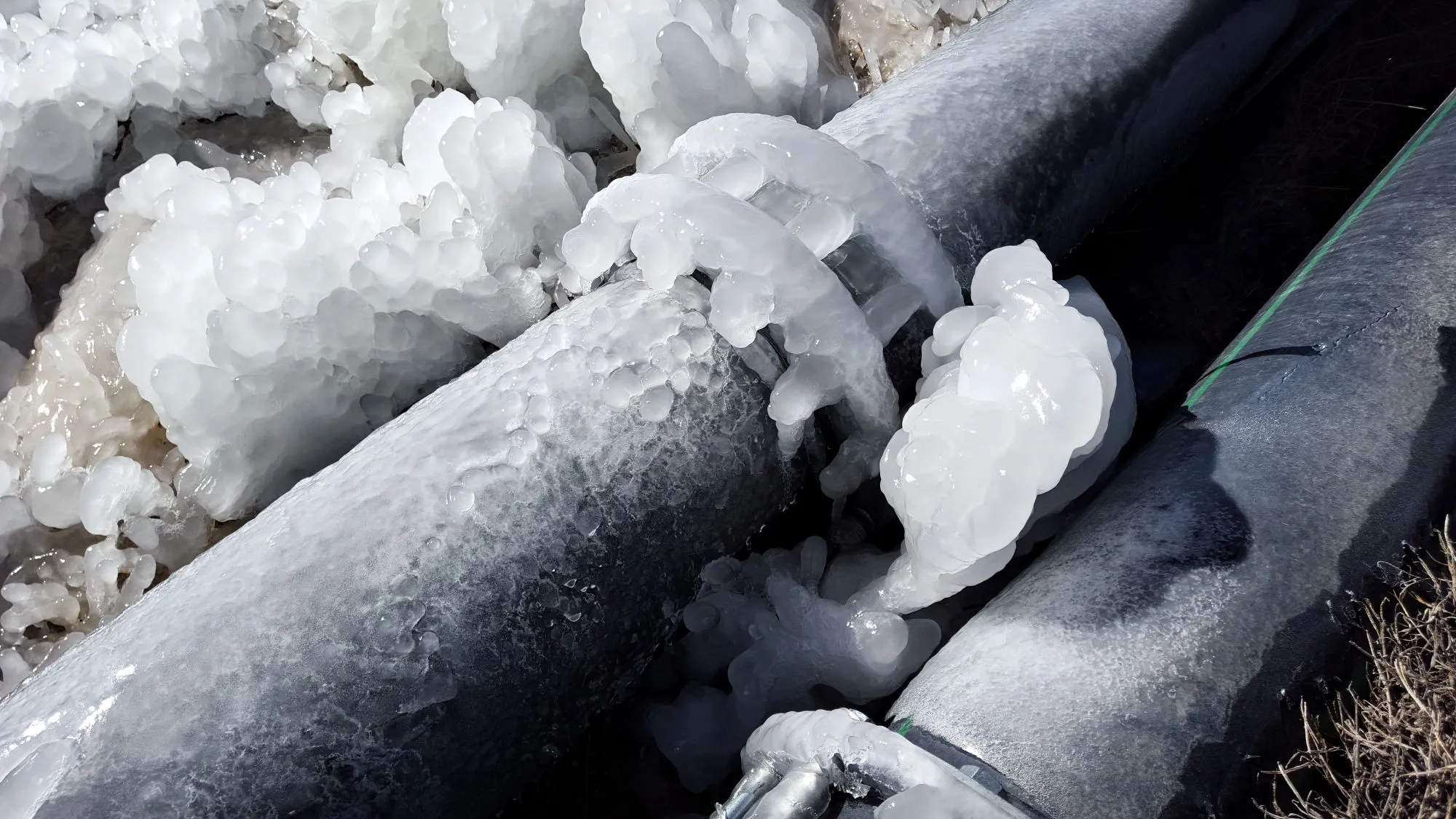
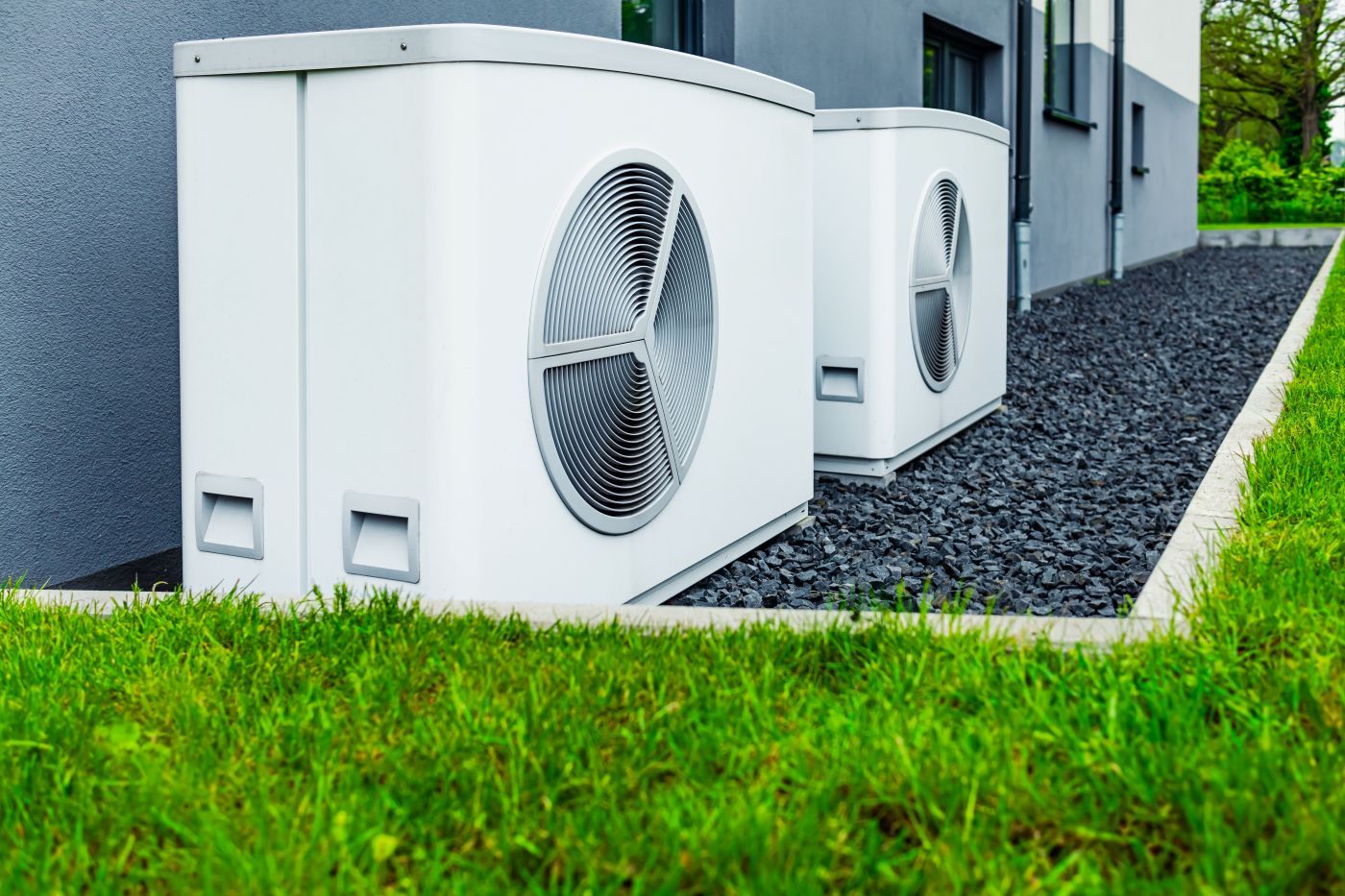
Alberta's climate creates several operating conditions that can shorten the practical lifespan of outdoor cooling equipment. Air conditioners experience freeze-thaw cycles, debris accumulation, significant temperature swings, and extended periods of seasonal inactivity.
During periods of extreme summer heat, older systems may also operate continuously for extended periods, placing additional stress on compressors, electrical components, and refrigerant systems. For this reason, performance during peak summer temperatures often provides a more accurate indication of system condition than performance during mild weather.
Making the Right AC Decision for Your Home in Westlock
The right decision depends on whether the next repair improves long-term reliability or merely delays an increasingly likely replacement. Repair generally makes sense when the system has meaningful remaining lifespan and the failure is isolated. Replacement often becomes the more practical choice when age, repair costs, operating expenses, and declining performance begin occurring together.
For homeowners in Westlock, All Around Heating & Cooling can assess the condition of an existing air conditioner, compare repair and replacement options, and explain which solution is likely to provide the best long-term value.