Why your AC might freeze up during Alberta nights is a common concern for homeowners who notice weak airflow, ice on refrigerant lines, or a system that runs longer than expected after temperatures drop in the evening. Even during summer, an air conditioner can freeze when operating conditions cause the evaporator coil to become too cold for normal moisture removal. Homeowners across Alberta occasionally experience this issue when cooler nighttime temperatures interact with normal cooling cycles. All Around Heating & Cooling works with homeowners throughout Alberta to diagnose air conditioning problems and identify the conditions that can lead to system freeze ups.
Why AC Units Can Freeze Even in Summer
Air conditioners operate by circulating refrigerant through an evaporator coil that absorbs heat from indoor air. During normal operation, the evaporator coil typically operates just above freezing while still allowing moisture to condense from the air moving across it. Proper airflow across the coil normally provides enough heat transfer to keep the surface temperature above freezing.
If airflow decreases or refrigeration conditions change, the coil temperature can fall below the freezing point of water. When this occurs, condensation that normally drains away can freeze directly on the coil surface.
In Alberta, daytime heat followed by cooler nighttime temperatures can create operating conditions where freezing becomes more likely. Outdoor temperature itself does not directly freeze the indoor coil. Instead, cooler outdoor temperatures reduce the cooling load inside the home while the system may continue running to satisfy thermostat demand.
When the system continues operating while outdoor temperatures fall, the evaporator coil may remain cold long enough for condensation to turn into ice. Once ice begins forming, airflow across the coil decreases and the system becomes less effective at transferring heat.
Systems that show repeated cooling problems during these conditions are often inspected by All Around HVAC to determine whether airflow, refrigerant pressure, or environmental factors are affecting the system.
Common Causes of AC Freezing
Air conditioner freeze ups usually develop when the evaporator coil becomes colder than intended during normal operation. Most causes share a common mechanism. They reduce the amount of heat absorbed by the evaporator coil, allowing the coil surface temperature to fall below freezing.
This can occur when airflow is restricted, refrigerant pressure falls outside normal operating levels, or system components are not moving air correctly across the coil.
Understanding these causes helps homeowners recognize changes in cooling performance that may require professional inspection.
Low Refrigerant Charge
Refrigerant levels control the pressure and temperature balance inside an air conditioning system. When refrigerant charge becomes too low, pressure inside the evaporator coil drops.
Lower refrigerant pressure lowers the boiling temperature of the refrigerant inside the coil. As a result, the coil surface can become colder than intended and fall below the freezing point of water.
When this occurs, moisture in the air that normally condenses and drains away can freeze directly onto the coil surface. Homeowners often notice longer cooling cycles or weaker cooling performance at the same time.
In most cases, refrigerant loss occurs because of small system leaks or improper servicing in the past rather than normal system operation.
Restricted Airflow Through the System
Airflow across the evaporator coil provides the heat needed to keep the coil temperature above freezing. If airflow becomes restricted, the coil can become excessively cold during normal operation.
Both supply airflow and return airflow play a role in maintaining proper circulation through the HVAC system. When return airflow is restricted, the system cannot pull enough warm air back across the coil. When supply airflow is restricted, cooled air cannot circulate through the home properly.
Several common conditions can restrict airflow inside residential HVAC systems.
• Clogged or dirty air filters
• Closed or blocked supply vents
• Obstructed return air pathways
• Duct restrictions that limit air movement
Even moderate airflow reduction can allow the coil temperature to fall below freezing during long cooling cycles.
Dirty Evaporator Coils
The evaporator coil is located inside the indoor air handler where air passes through the system before entering the ductwork. Dust and debris can accumulate on the coil surface when filtration is insufficient or filters are not replaced regularly.
This buildup creates a barrier between the indoor air and the coil surface, reducing heat transfer. When the coil cannot absorb heat efficiently, its temperature may drop below freezing.
Dirty coils also force the system to run longer cooling cycles in order to maintain indoor temperature. Longer runtime increases the amount of condensation forming on the coil and raises the likelihood that this moisture will freeze instead of draining away.
Fan or Blower Motor Problems
The blower motor is responsible for moving indoor air across the evaporator coil and throughout the duct system. Blower speed determines how much warm air passes across the coil during operation.
If the blower motor is not operating correctly, airflow across the coil may drop below the level required to maintain proper temperature balance.
Motor wear, capacitor problems, or incorrect fan speed can all reduce airflow. In most cases this leads to gradual ice buildup rather than instant freezing as condensation slowly accumulates on the coil surface.
Thermostat Settings and Nighttime Temperature Drops
Thermostat settings determine how long the air conditioning system runs in order to maintain the desired indoor temperature. When the thermostat is set significantly lower than the current room temperature, the system may run continuously.
In Alberta, evening temperatures often drop quickly after warm days. Lower outdoor temperatures reduce the cooling load inside the home while the system may still run to satisfy the thermostat setting.
Extended runtime can allow the evaporator coil to remain cold for longer periods. However thermostat settings alone rarely cause freezing. In most situations freezing occurs when long cooling cycles combine with airflow restrictions or refrigerant imbalances.
Environmental Factors That Increase Freeze Risk in Alberta
Environmental conditions inside and outside the home can influence how likely an air conditioning system is to freeze. These factors usually do not cause freezing by themselves but can increase the risk when mechanical issues are already present.
Humidity Levels in Indoor Air
Humidity determines how much moisture is present in the indoor air. When warm humid air passes across the cold evaporator coil, water vapor condenses on the coil surface.
Under normal operation this condensation forms liquid water that drains away through the condensate system.
If the coil temperature drops below freezing, the same moisture can freeze directly onto the coil surface. Higher indoor humidity allows more condensation to form, which can accelerate ice buildup once freezing conditions begin. Lower humidity generally reduces the amount of ice that can accumulate.
Cool Nighttime Temperatures
Alberta often experiences large day to night temperature swings during summer months. These temperature changes alter the cooling demand inside the home.
When outdoor temperatures fall, the amount of heat entering the home decreases. The air conditioner may continue running, but under lower load conditions where airflow or refrigerant problems become more noticeable.
If airflow or refrigerant balance is already compromised, freezing may begin under these nighttime conditions. When this occurs, homeowners may require professional air conditioning services to evaluate system performance and identify the underlying cause.
Signs Your Air Conditioner Is Freezing Up
Several warning signs can indicate that an air conditioner is beginning to freeze during operation. These symptoms often appear before homeowners see visible ice on the system.
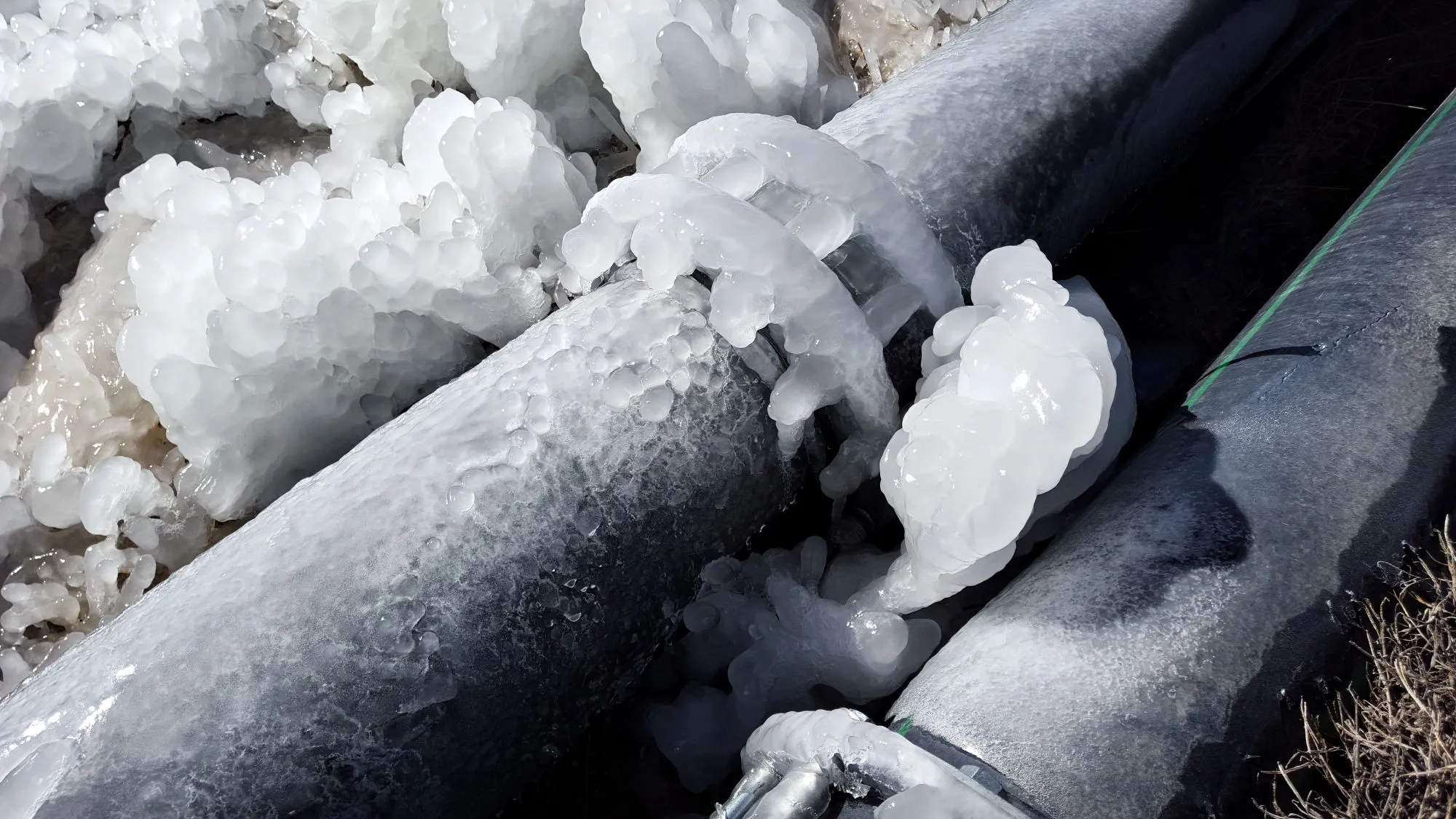
• Ice buildup on refrigerant lines
• Reduced airflow from vents
• AC running continuously
• Water leakage during thaw cycles
Reduced airflow occurs because ice buildup blocks air from moving across the evaporator coil. When the ice eventually melts, the resulting water can collect around the indoor unit or drip from the air handler.
If freezing is suspected, continued operation can worsen the problem because additional condensation will continue forming and freezing on the coil.
When to Call a Professional HVAC Technician
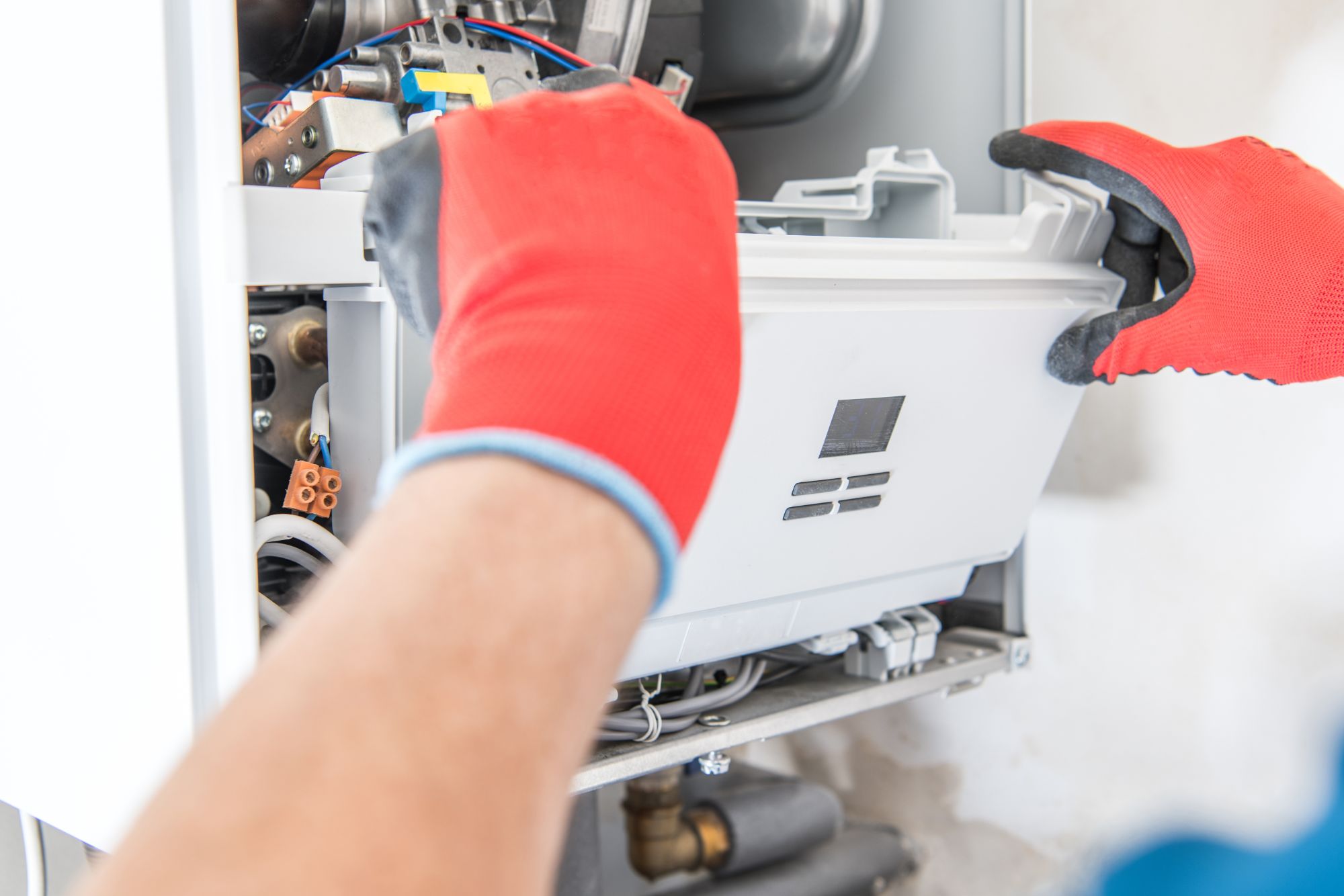
If an air conditioner begins freezing repeatedly, professional inspection is usually necessary to identify the underlying cause. A technician typically evaluates refrigerant pressure, inspects the evaporator coil, and measures system airflow to determine whether the system is operating within normal conditions.
Freeze ups that occur repeatedly or persist after filter replacement often indicate deeper system issues such as airflow restrictions, refrigerant imbalance, or component malfunction.
When this happens, homeowners should contact an HVAC technician to inspect the system and determine the cause of the freezing.
Preventing AC Freeze Ups During Alberta Nights
Preventing air conditioner freeze ups typically involves maintaining stable airflow and ensuring that refrigeration system pressures remain within normal operating ranges. Routine maintenance allows technicians to identify developing problems before they affect cooling performance.
Homeowners can reduce the risk of freeze ups by maintaining their HVAC system throughout the cooling season.
• Replace air filters regularly
• Schedule seasonal air conditioning maintenance
• Keep supply and return vents unobstructed
• Arrange professional refrigerant inspections
Replacing filters helps maintain proper airflow across the evaporator coil. Seasonal maintenance allows technicians to clean coils and verify refrigerant pressure. Keeping vents open ensures consistent air circulation throughout the system.
Systems that receive routine inspections are less likely to experience freezing during Alberta’s cooler summer nights because airflow and operating conditions remain within normal ranges.